Not All Liquid Extraction Balers Are the Same
Liquid extraction equipment is sometimes discussed as though every application requires essentially the same process: puncture the container, remove the liquid, compact the remaining material, and move on.
In reality, liquid extraction is rarely that simple.
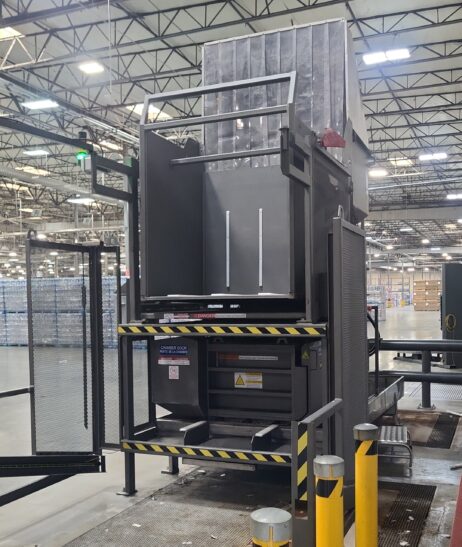 The right equipment depends on what you are processing, how much material you generate, how the product enters the system, what happens to the recovered liquid, and how the recyclable material needs to be handled afterward. Those differences can have a major impact on equipment size, feeding method, automation, drainage, bale size, and overall workflow.
That is why not all liquid extraction balers are the same.
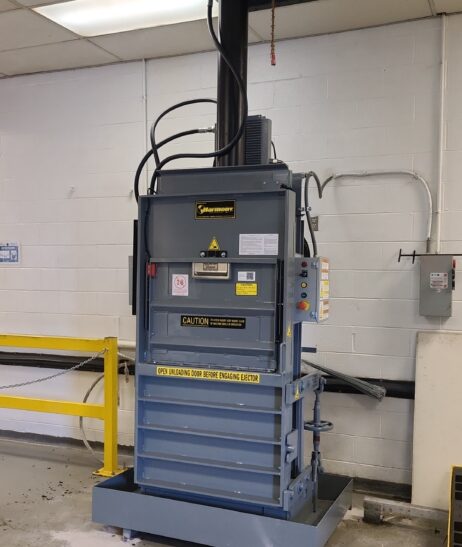
At Harmony Enterprises, liquid extraction solutions range from compact, manually loaded equipment to larger systems designed for higher-volume applications and greater levels of automation. The goal is not simply to choose the largest machine available. It is to match the equipment to the material, volume, facility, and process.
Start With the Material
The first question in any liquid extraction application should be straightforward: what are you trying to process?
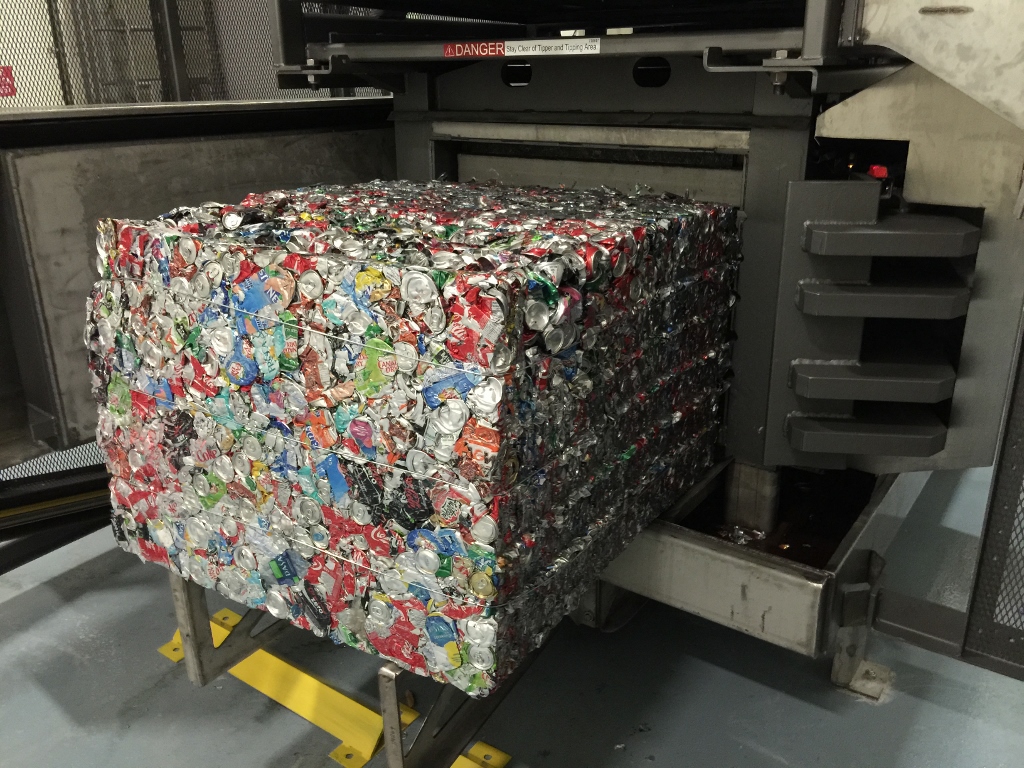
Harmony liquid extraction balers can be used to perforate, drain, and bale materials such as aluminum beverage cans, PET bottles, Tetra Pak containers, returned or expired products, off-spec packaged beverages, and other liquid-filled containers requiring product destruction.
 Those materials do not all behave the same way under pressure. Container construction, packaging material, product viscosity, liquid volume, and overall package size can influence how efficiently the material can be perforated, drained, and compacted.
A system that performs well for one type of beverage container may need a different feeding arrangement, drainage configuration, or capacity when applied to another product stream.
That makes the application itself just as important as the machine.
Volume Changes the Equation
The amount of material being processed also plays a significant role in equipment selection.
An operation dealing with occasional returned or off-spec product has very different needs from a beverage distributor, bottler, manufacturer, or contract packager processing large quantities of liquid-filled containers every day.
For lower-volume applications, a compact manually loaded liquid extraction baler may provide the right balance of footprint, capacity, and simplicity. Higher-volume facilities may require larger equipment capable of handling more material, producing larger bales, and integrating with automated loading systems.
 The difference is not simply how much material fits into the machine. Increased volume affects the entire process, including how quickly material must be loaded, how much liquid must be managed, how frequently bales are removed, and how much employee handling is practical.
Choosing the right equipment therefore requires looking at the complete workflow rather than capacity alone.
How Will the Material Get Into the Baler?
Material handling is one of the most important considerations in a liquid extraction system.
In a smaller operation, employees may be able to load containers directly into the baler. As processing volume increases, however, manual loading can become inefficient and labor intensive.
That is where additional equipment such as conveyors, tippers, hoppers, or other feeding systems can become part of the solution.
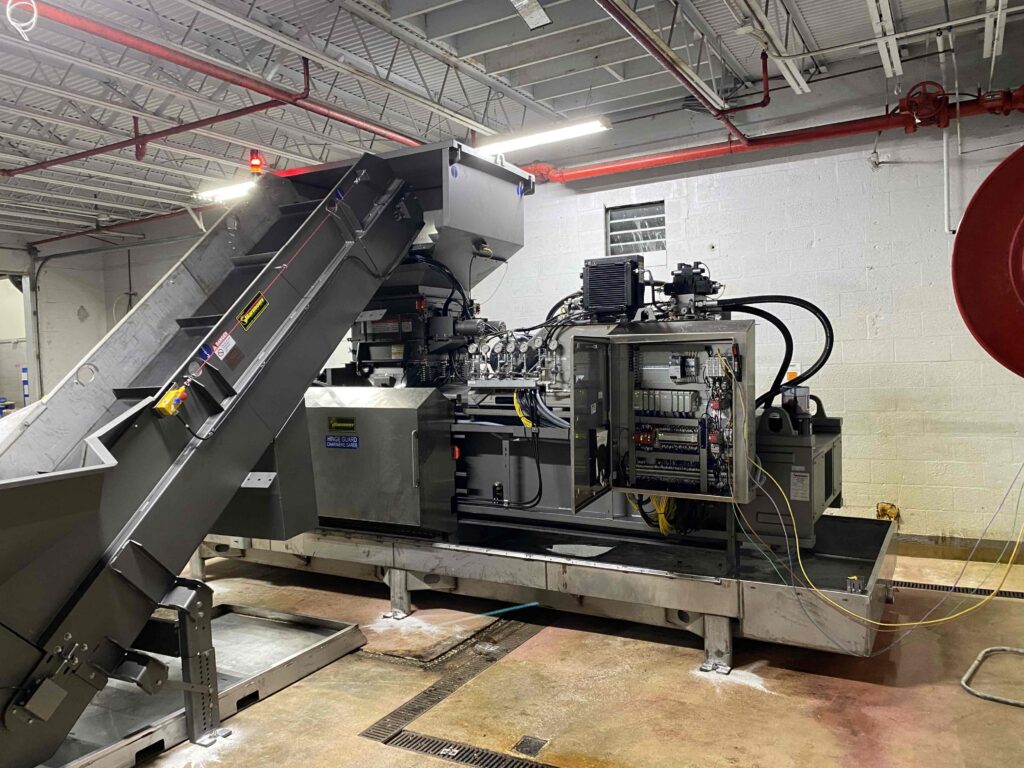 Harmony can configure larger liquid extraction systems around the way material already moves through a facility. In some cases, that means adding a cart or tote tipper. In others, the best solution may involve a conveyor or another customized material handling system that reduces repetitive manual handling and creates a more consistent flow of product into the baler.
This is one reason liquid extraction equipment should be evaluated as part of a process rather than as a stand-alone machine.
What Happens to the Liquid?
Removing liquid from the container is only half of the equation.
Facilities also need a plan for managing the liquid after it has been separated from the packaging. Depending on the application, recovered liquid may need to flow into a reservoir, drain, tote, collection system, or another part of the facility’s waste-handling process.
The volume and type of liquid can affect equipment design and facility requirements. A business processing a relatively small quantity of damaged product will have very different drainage needs from an operation processing thousands of full containers.
Thinking through liquid handling before selecting the equipment helps prevent bottlenecks later and ensures that the extraction system fits into the operation as a whole.
Product Destruction May Be Part of the Goal
For many companies, liquid extraction is about more than simply removing weight from recyclable containers.
Businesses may also need to destroy expired, damaged, returned, mislabeled, or off-spec products before those materials leave the facility. In those situations, the equipment needs to accomplish two objectives at once: destroy the packaged product and separate the liquid from the recyclable container material.
That can help companies control how unsellable products are handled while also creating a more manageable recyclable material stream.
Instead of storing, transporting, or disposing of full containers, the operation can separate the liquid and consolidate the remaining aluminum, PET, or other packaging material into bales.
The Finished Bale Matters Too
What happens after extraction should also influence equipment selection.
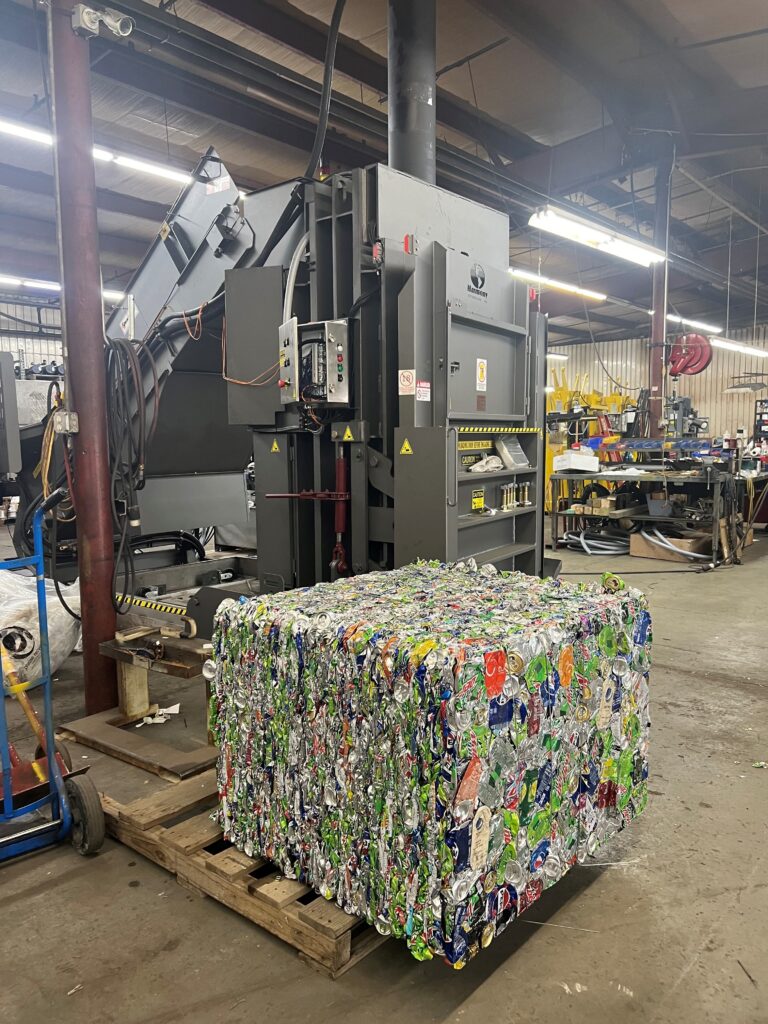 Once the liquid has been removed, the remaining container material still needs to be stored, handled, transported, or recycled. Baling that material can significantly reduce the amount of space it occupies while creating a denser and more manageable commodity.
However, different operations need different bale sizes and production rates. A smaller facility may prefer compact bales that are easy to handle internally, while a high-volume operation may benefit from larger bales that reduce the number of cycles required and improve downstream handling efficiency.
There is no universally correct bale size. The best choice depends on material volume, storage space, labor, transportation, and the expectations of the recycler receiving the material.
Sometimes the Right Solution Is a Custom One
Standard equipment can solve many liquid extraction applications, but unusual material streams or workflows sometimes require a customized approach.
That might involve changing the way material enters the machine, incorporating a conveyor or tipper, adjusting the material handling process, or configuring the equipment around a specific production environment.
A recent example involved a customized Harmony ExtractPack Plus solution developed for processing full and partially full IV bags. The system was designed not only to perforate and drain the bags, but also to integrate material handling equipment that automated more of the process from loading through baling.
Applications like this illustrate an important point: liquid extraction is not limited to one container type or one industry.
When the equipment is designed around the material and workflow, new applications become possible.
Start With the Problem, Not the Machine
The best way to choose liquid extraction equipment is not to begin by comparing machine specifications.
Begin with the problem.
What material are you processing? How much of it do you generate? How is it handled today? How should it enter the equipment? Where should the extracted liquid go? What should happen to the recyclable material afterward?
Once those questions are answered, the appropriate equipment configuration becomes much easier to identify.
Harmony offers liquid extraction systems ranging from compact manually loaded balers to larger automated solutions, along with customized configurations designed around unique material streams and workflows.
Because when it comes to liquid extraction, the best solution is not necessarily the biggest machine.
It is the machine that fits the problem.
Frequently Asked Questions About Liquid Extraction Balers
Ready to Evaluate Your Liquid Extraction Application?
If your operation is handling liquid-filled containers, returned products, damaged inventory, or another difficult material stream, Harmony can help evaluate the application.
Tell us what you are processing, approximately how much material you handle, and how the material is being managed today. Our team can help determine which liquid extraction solution best fits your operation. Call us at (507) 886-6666 or fill out this simple form to contact us today!