Reverse Logistics for Beverage Products: Turning Returns Into Recovery Opportunities
For beverage manufacturers and distributors, getting products to market is only part of the supply chain challenge. What happens when those products come back?
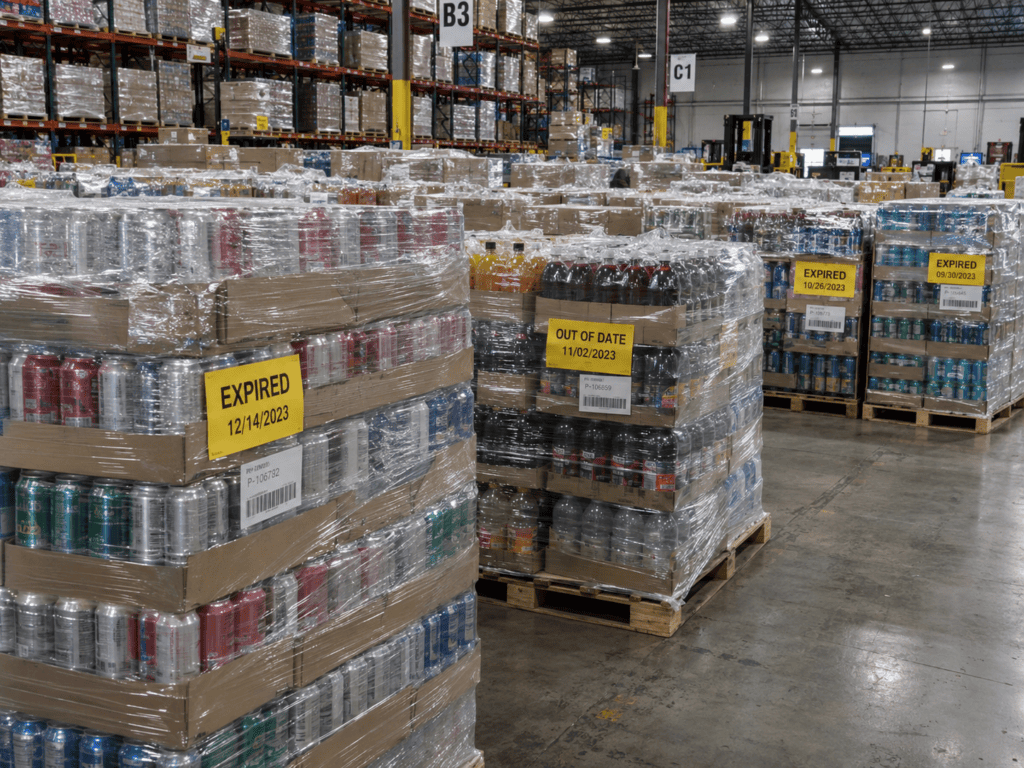 Expired beverages, damaged packaging, recalled products, discontinued inventory, and unsellable merchandise can quickly create operational headaches. While these products may no longer have value in their original form, the aluminum cans, PET bottles, and other packaging materials may still offer recycling opportunities.
Managing that process efficiently is an important part of beverage reverse logistics. With the right equipment and procedures, businesses can reduce the labor, storage, transportation, and disposal challenges associated with returned liquid-filled products while recovering valuable recyclable materials.
What Is Reverse Logistics in the Beverage Industry?
Reverse logistics refers to the movement and management of products traveling backward through the supply chain. Rather than shipping finished goods from manufacturers to distributors and customers, reverse logistics involves collecting, evaluating, processing, and disposing of or recovering products that cannot remain in normal distribution.
In the beverage industry, this can include:
- Expired or out-of-date beverages returned by retailers
- Damaged or leaking cases from transportation and handling
- Products affected by packaging defects or quality-control issues
- Discontinued products and outdated promotional inventory
- Beverage recalls and other products requiring controlled destruction
- Unsold inventory returned from retail and distribution locations
Each of these situations creates a decision for the company handling the material. Can the product be returned to inventory, must it be destroyed, or can some of its components be recovered for recycling?
For products that cannot be resold, the efficiency of the product destruction and material recovery process can have a significant impact on operating costs.
The Hidden Costs of Handling Returned Beverage Products
Managing unsellable beverages is more complicated than simply placing damaged or expired products in a waste container. Liquid-filled cans and bottles add weight, occupy valuable storage space, and often require additional handling before the packaging can be recycled.
When facilities rely on manual processing, employees may spend considerable time opening containers, emptying liquids, separating materials, and preparing packaging for disposal or recycling. These activities can take employees away from other important production, warehousing, or distribution responsibilities.
Storage presents another challenge. Pallets, totes, and gaylords filled with returned beverages can accumulate quickly, particularly at centralized distribution facilities receiving products from multiple locations. Without an efficient processing method, this inventory can occupy space needed for incoming shipments and normal operations.
Transportation and disposal expenses can compound the problem. Shipping full liquid-filled containers to another processing facility may mean paying to transport material that could have been drained and compacted closer to its collection point.
For businesses processing substantial volumes of returned beverages, these costs make reverse logistics an important area for operational improvement.
How Liquid Extraction Balers Improve Reverse Logistics
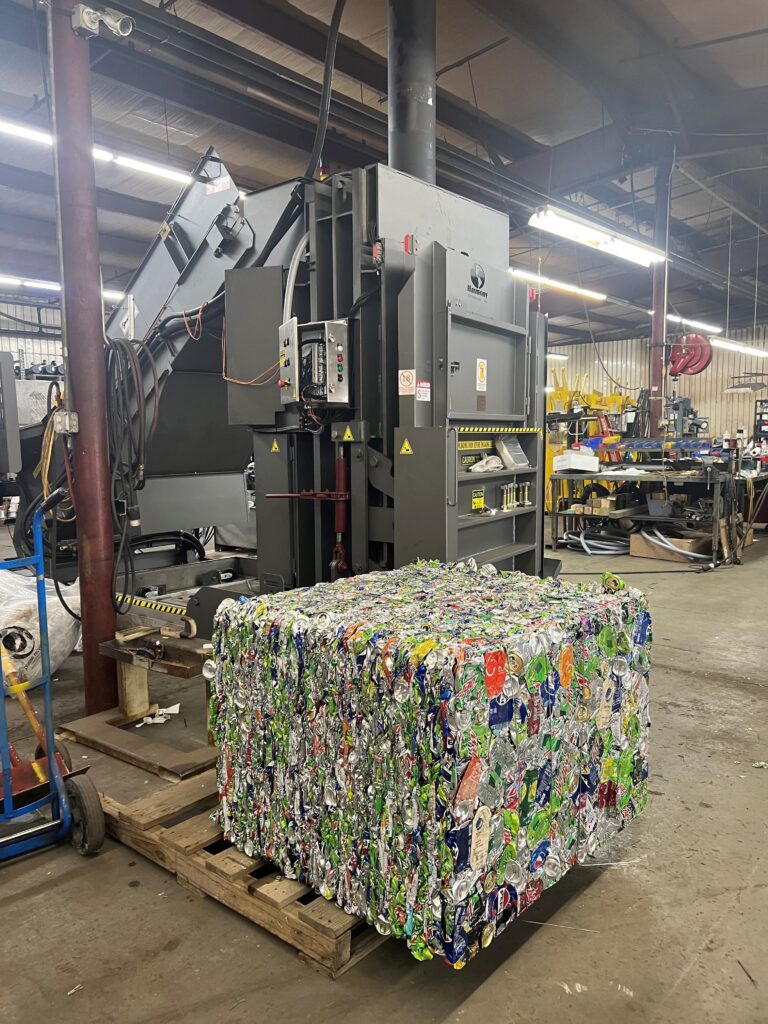 One effective approach to managing unsellable beverages is to combine product destruction, liquid extraction, and material compaction into a more efficient process.
Harmony Enterprises manufactures liquid extraction balers designed to perforate, drain, and bale liquid-filled containers. Instead of manually emptying individual cans or bottles and then processing the packaging separately, businesses can use equipment that performs these functions within an integrated system.
During the process, containers are perforated, allowing the liquid to drain into a collection reservoir. The remaining packaging is compressed into dense, manageable bales that can be prepared for recycling.
This approach offers several potential benefits for beverage reverse logistics operations.
Reduced manual handling: Combining liquid removal and baling helps eliminate repetitive processing steps and allows employees to focus on other operational priorities.
Improved space utilization: Compact bales occupy considerably less space than loose containers, helping facilities keep loading docks, warehouses, and processing areas organized.
Lower transportation and disposal costs: Removing liquid and compacting packaging can reduce the amount of material that must be transported for disposal or recycling.
Better material recovery: Separating liquid from aluminum and PET containers creates opportunities to recover recyclable materials rather than sending everything through the same waste stream.
More consistent product destruction: Integrated processing can help facilities destroy unsellable packaged products as part of a documented inventory disposition process.
The result is a more manageable process for handling returned products that have reached the end of their useful shelf life.
Choosing the Right Equipment for Your Reverse Logistics Operation
Not every reverse logistics facility processes the same type or volume of returned beverages. A smaller distributor handling occasional damaged inventory has different needs than a regional distribution center processing pallets of expired products every day.
Harmony offers several options within its ExtractPack liquid extraction baler family to address these different operational requirements.
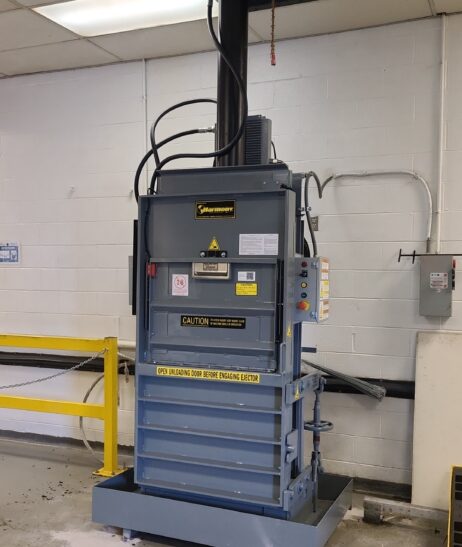 The ExtractPack Vertical Liquid Extraction Baler provides a compact option for facilities managing smaller volumes of liquid-filled containers. It combines draining and baling in a vertical configuration that can work well where floor space is limited.
The ExtractPack Pro Intermediate Liquid Extraction Baler accommodates medium to larger processing volumes and offers conveyor-fed options for operations seeking greater material-handling efficiency.
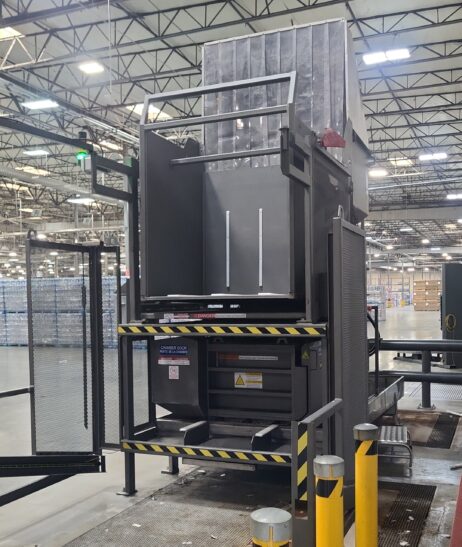 For facilities handling larger quantities of returned beverages, the ExtractPack Plus and ExtractPack Max offer horizontal liquid extraction and baling solutions. Depending on the application, these systems can incorporate automated tippers, conveyors, and other material-handling features to help reduce repetitive labor and streamline processing.
The best solution depends on several considerations, including container types, daily material volumes, available floor space, labor requirements, liquid collection needs, and the desired level of automation.
For distribution facilities evaluating a larger waste and recycling strategy, Harmony also provides distribution center waste and recycling solutions for cardboard, plastics, and other materials commonly generated throughout warehouse operations.
Making Material Recovery Part of the Reverse Logistics Strategy
Effective reverse logistics involves more than removing unwanted inventory. It also means identifying opportunities to recover value from materials that would otherwise be discarded.
Aluminum and PET beverage containers are common examples. Once the liquid has been removed and the packaging has been properly processed, these materials may be suitable for recycling, subject to recycler specifications and local market requirements.
The extracted liquid must also be managed appropriately. Depending on the product, facility, and applicable wastewater requirements, collected liquid may need to be directed to an approved drain, storage container, or separate treatment or disposal process.
By incorporating liquid extraction and baling into an established reverse logistics program, companies can better manage these different material streams and support their operational and sustainability objectives.
For companies managing recurring returns, this can transform an inefficient back-end task into a more organized and measurable process.
Evaluate the True Cost of Your Beverage Returns
If your operation regularly handles expired, damaged, recalled, or unsellable beverages, the cost of managing those products may be greater than it first appears.
Labor hours, occupied floor space, hauling frequency, disposal expenses, and potential recyclable material value should all be considered when evaluating your current process.
Harmony Enterprises can help assess your material volumes, container types, facility layout, and operational goals to determine whether an ExtractPack liquid extraction baler is the right fit.
Turn returned beverage products into a more efficient recovery process.
Explore Harmony’s Liquid Extraction Balers or contact Harmony Enterprises at (507) 886-6666 or fill out this simple form to discuss your reverse logistics challenges and request a no-obligation equipment consultation.