How Automatic Balers Improve Operational Efficiency
As labor shortages, rising hauling costs, and sustainability initiatives continue to reshape industrial operations, businesses are looking for smarter ways to manage recyclable materials. Automatic balers have become an essential part of modern waste and recycling programs because they reduce manual handling, increase throughput, and produce dense, mill-ready bales with minimal operator involvement.
Whether you’re managing cardboard in a distribution center, plastics in a manufacturing facility, or mixed recyclables at a recycling center, an automatic baler can dramatically improve workflow while reducing operating costs.
What Is an Automatic Baler?
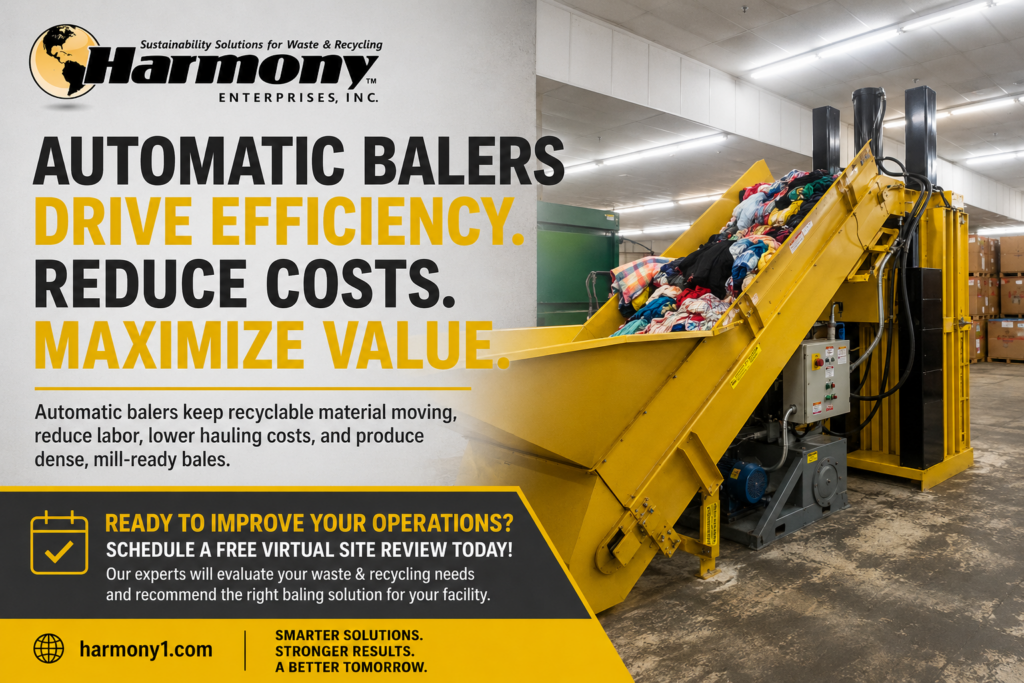
An automatic baler is designed to compress recyclable materials with minimal operator intervention.
Unlike traditional manually cycled balers, automatic systems use sensors, conveyors, hoppers, tippers, or blow-fed systems to detect incoming material and automatically begin each compaction cycle. The machine continues cycling until a full bale has been produced.
For higher-volume operations, horizontal balers may also automate material feeding while producing large, dense mill-sized bales capable of maximizing transportation efficiency and commodity value.
How Automatic Balers Work
1. Recyclable material is delivered by conveyor, hopper, tipper, or pneumatic system.
2. Photo-eye sensors detect when the chamber reaches capacity.
3. The hydraulic ram automatically compresses the material.
4. The cycle repeats until the programmed bale density is reached.
5. The finished bale is tied and ejected for storage or shipment.
Because operators are not required to manually initiate every cycle, facilities experience smoother production flow with fewer interruptions.
 Benefits of Automatic Balers
• Increase throughput through continuous operation.
• Reduce labor requirements and manual handling.
• Lower hauling and transportation costs.
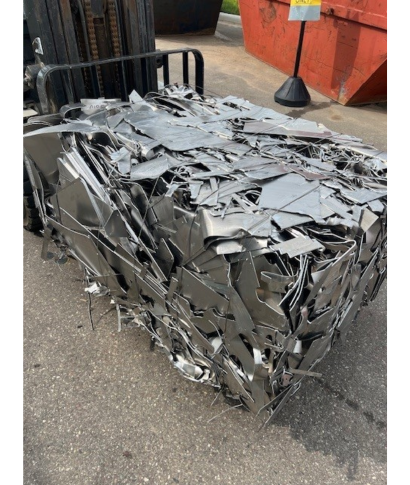
• Produce denser bales that can improve commodity value.
• Improve workplace safety by reducing clutter and forklift traffic.
• Free up valuable floor space.
Automatic Balers Support Sustainability Goals
Automatic balers help organizations divert more recyclable material from landfills, improve recycling consistency, support ESG initiatives, reduce transportation emissions through fewer hauls, and increase recycling participation.
Industries That Benefit Most
Distribution Centers
Warehouses
Manufacturing Facilities
Grocery Chains
Retail Stores
Recycling Centers
Municipal Recycling Programs
Packaging Facilities
Beverage Producers
Food Processors
Industrial Plants
Choosing the Right Automatic Baler
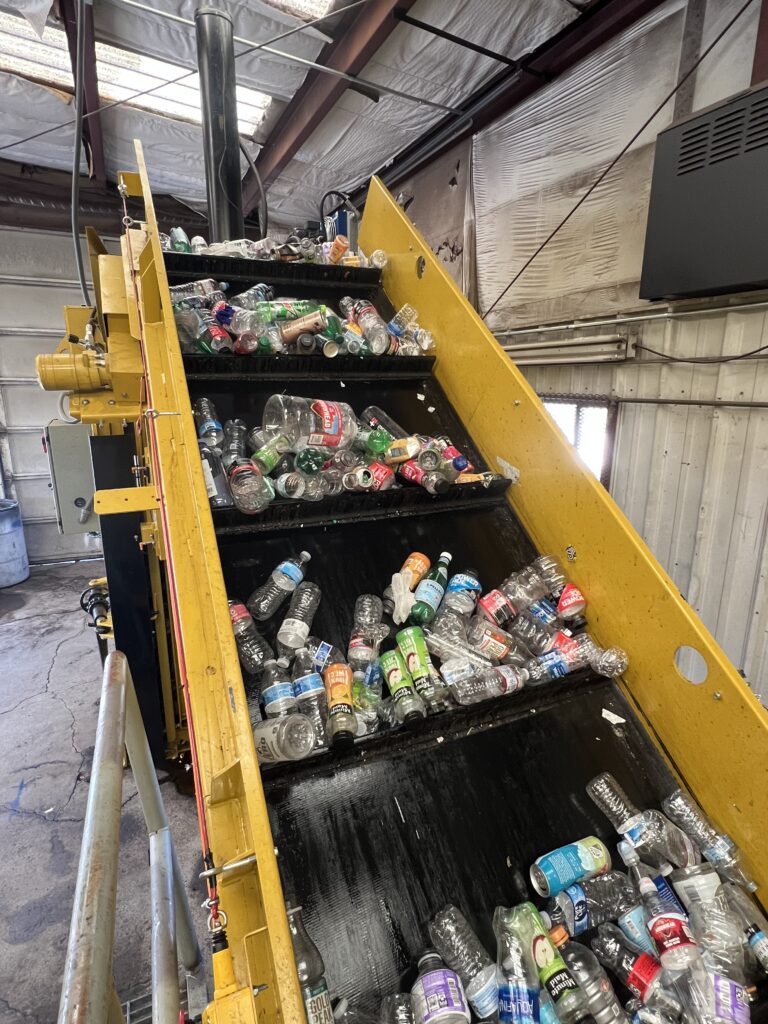
The ideal baler depends on daily recyclable volume, material type, available floor space, desired bale weight, existing automation, labor availability, and future growth plans. Harmony Enterprises offers automatic baling solutions that integrate with conveyors, hoppers, tippers, and customized feeding systems.
Frequently Asked Questions
Harmony Is Your Automatic Baler Resource!
Every facility generates waste differently, which is why there is no one-size-fits-all recycling solution. Whether you’re processing cardboard, plastics, metals, or mixed recyclables, Harmony Enterprises can help identify the right automatic baler to improve efficiency, reduce hauling costs, and maximize the value of your recyclable materials.
Contact Harmony Enterprises today to schedule a free waste & recycling assessment, request a quote, or calculate your potential return on investment.