Why the Term Waste Crusher Shows Up So Often
If you spend any time researching waste equipment online, you will likely encounter the phrase waste crusher vs trash compactor. It reflects a common point of confusion. The term “waste crusher” sounds intuitive, but it is not a standard industry classification. Instead, it is often used by people trying to describe a goal rather than identify a specific type of equipment.
Understanding what sits behind that phrase is the first step toward choosing the right solution.
What Most People Mean in a Waste Crusher vs Trash Compactor Search
When someone searches waste crusher vs trash compactor, they are typically trying to determine how to reduce waste volume and improve handling efficiency. The assumption is that waste needs to be crushed or broken down to become manageable.
In reality, most commercial waste does not need to be crushed at all. It needs to be controlled, contained, and compacted. That distinction is important because it directly impacts how waste is handled, stored, and transported.
Waste Crusher vs Trash Compactor Key Differences
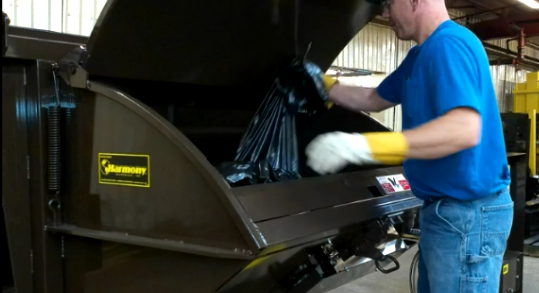 The comparison between waste crusher vs trash compactor comes down to how each approach treats the material.
A waste crusher, in the literal sense, would break material apart through force and fragmentation. This approach is common in industries that process raw materials, such as metal or aggregate, where size reduction is necessary for further use.
A trash compactor, on the other hand, compresses material into a denser form without breaking it apart. By removing air and consolidating waste into a contained space, compactors reduce volume while maintaining control over the material stream.
For most operations, that difference defines which solution is practical.
Why Compactors Are the Preferred Solution
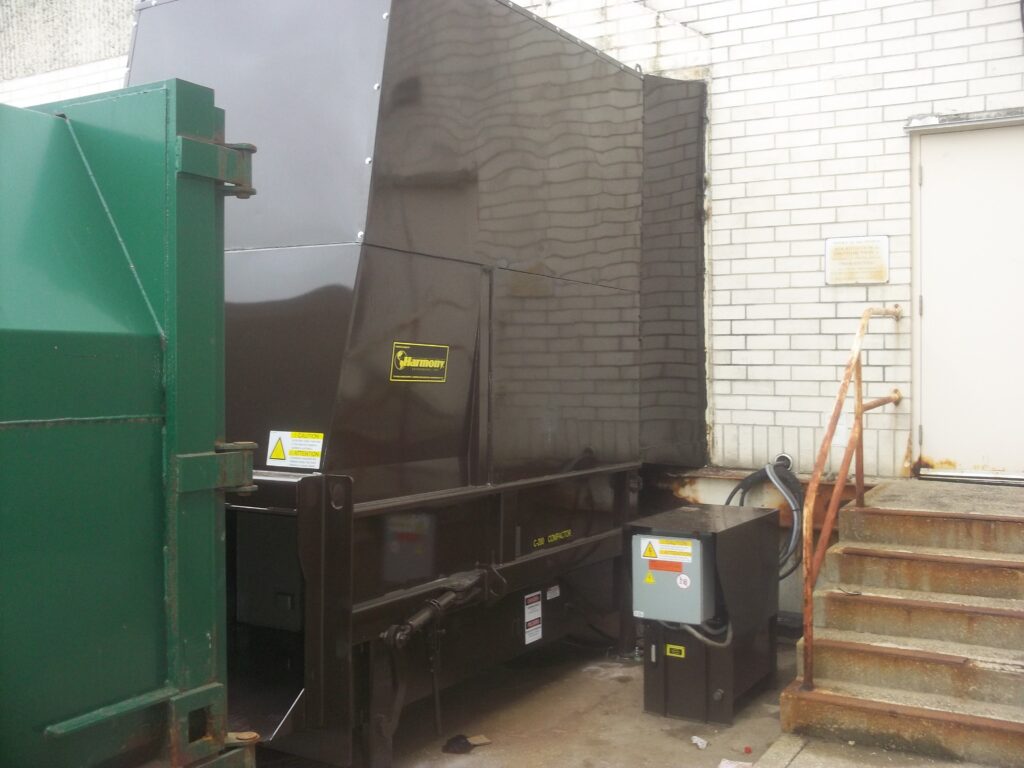 When evaluating waste crusher vs trash compactor, most organizations find that compaction aligns better with their operational needs. The goal is not to create smaller pieces of waste, but to reduce the number of times that waste must be handled, stored, and hauled.
Trash compactors support this by:
- Reducing hauling frequency
- Improving site organization and cleanliness
- Minimizing loose material and exposure
- Lowering overall waste management costs
Rather than introducing additional processing steps, compactors simplify the system.
Where Crushing Equipment Actually Applies
There are environments where crushing equipment is appropriate, but they are typically specialized. These applications involve materials that must be broken down for recycling or further processing.
In those cases, the waste crusher vs trash compactor decision becomes clearer because the objective is material transformation rather than material management. These systems often require additional infrastructure and handling processes that are not necessary in standard commercial operations.
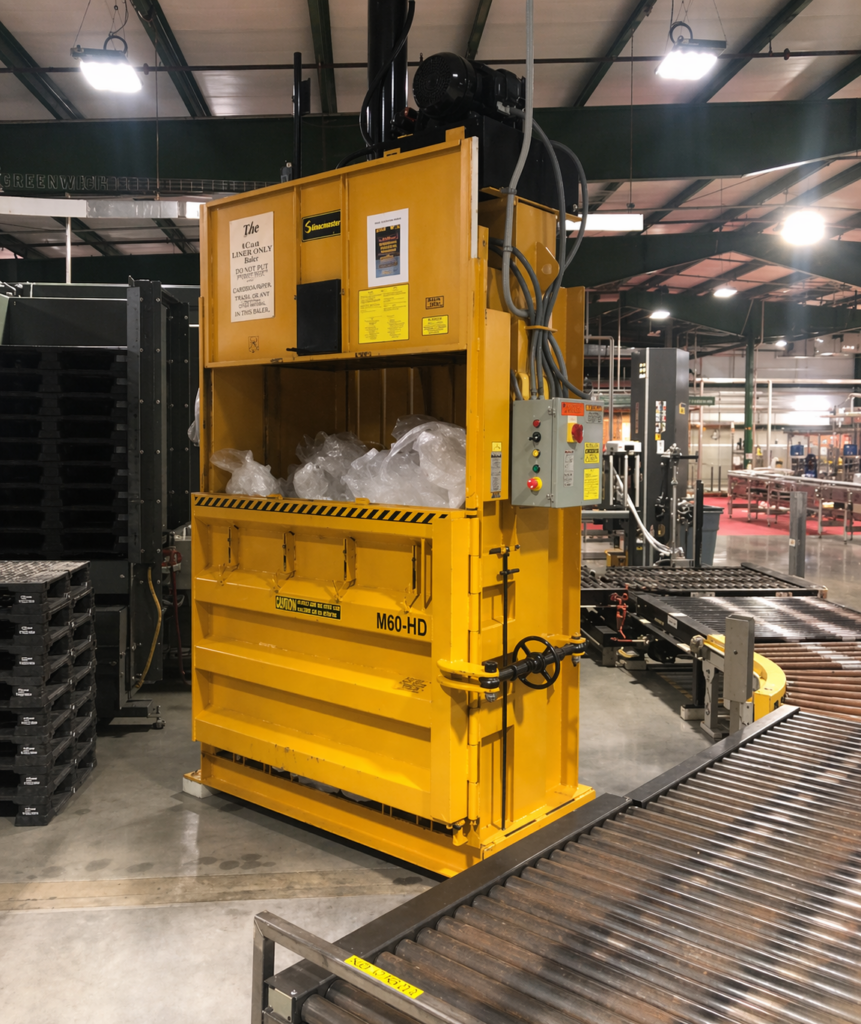 The phrase waste crusher vs trash compactor highlights a common starting point, but it should not be the endpoint of the decision. The better approach is to evaluate how waste moves through your operation and what outcome you are trying to achieve. Sometimes, a recycling baler placed strategically in material flow can help capture lost recycling revenue and save on unnecessary hauling fees.
If the goal is to reduce volume, improve efficiency, and simplify handling, compaction is typically the most effective path. It delivers consistent results without adding unnecessary complexity to the process.
Take the Next Step Toward Smarter Waste Handling
If you are comparing waste crusher vs trash compactor options or looking for a more effective way to reduce waste volume in your operation, the right solution starts with understanding how your material flows through your facility. The Harmony team works with operations to identify opportunities to reduce hauling, improve containment, and simplify overall waste handling.
Call us today at (507) 886-6666 or fill out this simple form to contact us today.