How to Sell Cardboard Bales & Maximize Recycling Revenue
For many businesses, cardboard begins as a waste problem. Shipping boxes accumulate in stockrooms, warehouses & receiving areas, consuming valuable space and increasing the time employees spend breaking down, moving & disposing of material. A properly designed baling program can change that equation. Instead of paying to haul loose cardboard away, a business may be able to reduce disposal costs and recover value by selling clean, marketing cardboard bales.
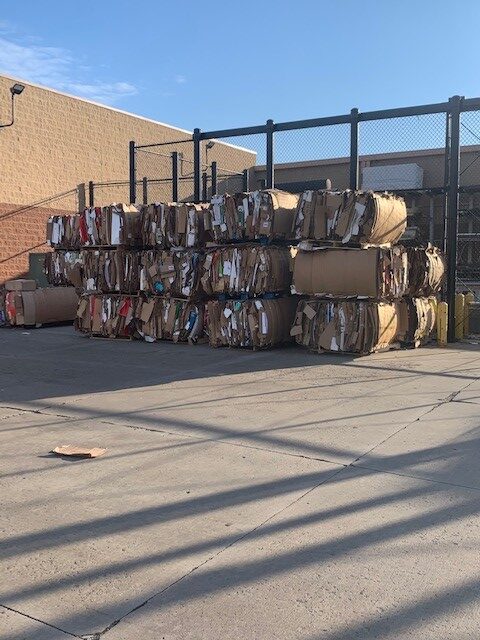 But producing a bale does not automatically guarantee a recycling rebate. The value of baled cardboard depends on several connected factors, including material quality, bale weight and consistency, local market demand, transportation costs, monthly volume & the requirements of the recycler or commodity buyer receiving it.
Understanding those factors before purchasing recycling equipment can help your business build a more reliable recycling program and select a baler that supports both operational efficiency & long-term financial goals.
Who Buys Cardboard Bales?
Commercial cardboard bales may be purchased or accepted by recycling companies, material recovery facilities, paper stock dealers, brokers, waste haulers or paper mills. The best option depends heavily on your location, the amount of old corrugated containers—or OCC—your facility generates & how efficiently the material can be transported.
A local recycler may pick up several bales at a time, while a broker or mill-direct program may require enough material to fill most or all of a trailer. Some waste hauling agreements include a recycling rebate or credit. Others offset commodity revenue against hauling, equipment rental, processing or administrative charges.
Before choosing a baler, ask prospective recycling partners which grades they accept, their preferred bale dimensions and weights, minimum pickup quantities, contamination limits, loading requirements & how they calculate rebates. Buyer specifications vary, so the right bale is the one that fits both your internal operation & the market available in your region.
What Determines Cardboard Bale Value?
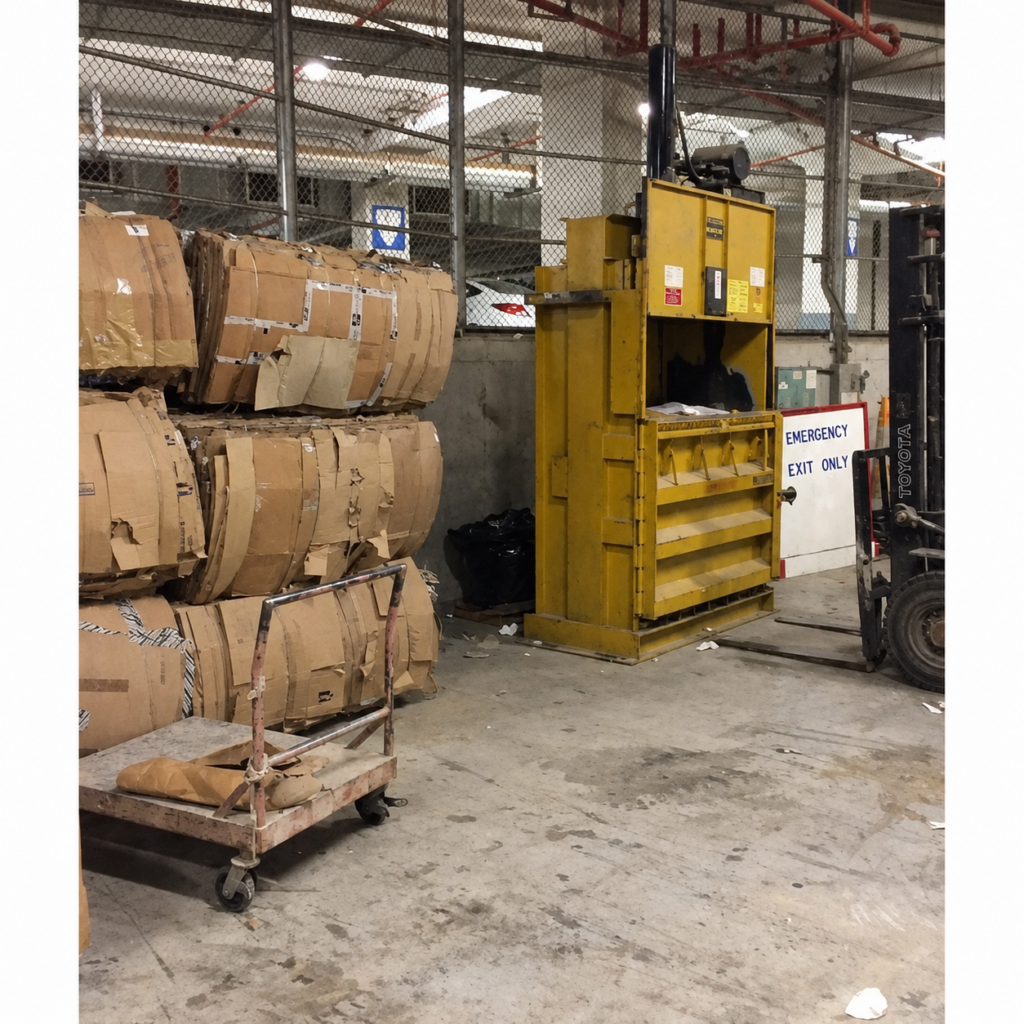 Published OCC market prices are helpful reference points, but they are not necessarily the amount a business will receive. The net value of a cardboard recycling program can be affected by:
- The current regional market price for the material grade
- Bale cleanliness, dryness, density, size & consistency
- The total weight and number of bales available per pickup
- Distance to the recycler, processor or consuming mill
- Freight, fuel, pickup, processing & equipment charges
- Whether the material is sold directly, through a broker or as part of a hauling agreement
A strong market can increase potential revenue, but transportation and handling costs still matter. In some locations, the greatest return may come from avoiding dumpster pulls and landfill fees rather than receiving a large commodity payment. For other high-volume generators, recycling revenue can become a meaningful part of the program. The complete financial picture should include both income & avoided costs.
Because OCC pricing and regional market conditions change regularly, businesses should continue monitoring recycling commodity trends after establishing a baling program. Harmony Enterprises publishes a weekly Market Pulse on the bottom of our homepage covering OCC and other key recycling commodities to help businesses follow current market direction and better understand the conditions influencing cardboard bale value.
Clean, Dry OCC Is More Marketable
Cardboard buyers want usable fiber. Food residue, liquids, waxed or heavily coated packaging, plastic film, foam, wood, metal & general trash can lower the quality of a bale. Excess contamination may lead to deductions, additional processing charges or rejection by the receiving facility.
Moisture is another concern. Wet cardboard adds weight without adding recoverable fiber and can weaken the material, create storage problems & affect bale integrity. Facilities should keep loose cardboard and finished bales protected from weather and clearly train employees on which materials belong in the baler.
Consistent operating practices protect more than the material. They also give the recycler confidence that future loads will meet expectations. That reliability can make a commercial recycling relationship easier to manage over time.
Why Bale Size, Weight & Density Matter
Dense, consistently sized bales are easier to stack, store, load & transport. They help make better use of trailer capacity and reduce the need for a recycler to handle or re-bale loose, undersized or inconsistent material. Those efficiencies can influence whether a recycling program is practical and how a buyer structures its service or rebate.
There is no single required bale weight for every cardboard buyer. Smaller vertical balers can be a strong solution for businesses with limited volume, space or handling capability. Larger vertical balers can create heavier, mill-sized bales, while horizontal or automatic balers may be appropriate for facilities processing continuous, high-volume material streams.
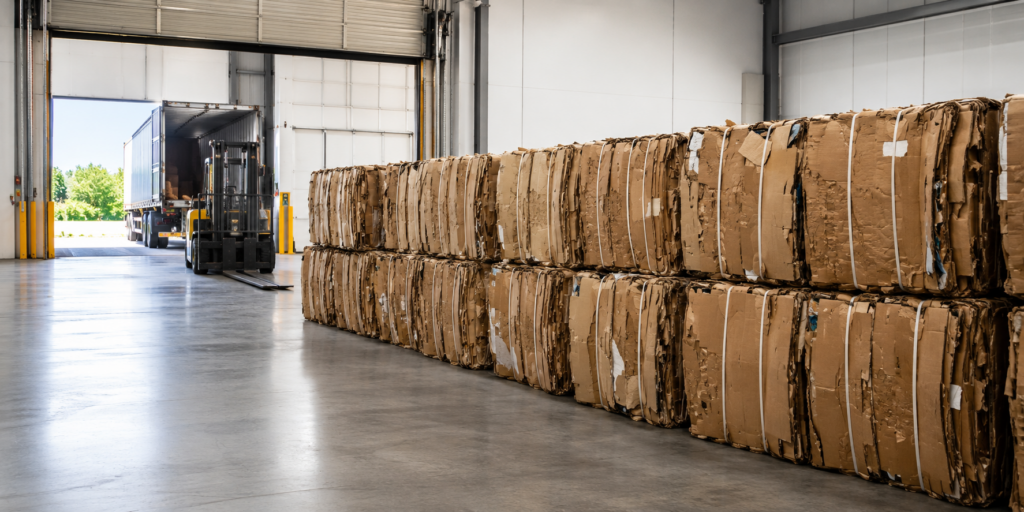
The goal is not simply to make the heaviest bale possible. It is to create a safe, repeatable bale that meets the receiving buyer’s specifications and can be handled by the forklifts, docks, trailers & employees involved throughout the process.
Calculate the Complete Return
Commodity revenue is only one part of baler return on investment. Loose cardboard takes up significant space and often requires frequent trips to a dumpster or collection area. Baling at the source may reduce waste hauling frequency, employee handling time, overflow problems & pressure on valuable storage space.
A useful evaluation should compare the current cost of disposal with the projected cost of baling. Include equipment payments, baling wire, labor, electricity, maintenance, freight and installation. Then account for avoided trash pulls, reduced hauling, recovered labor, recycling rebates & any operational benefit created by a cleaner, more organized facility.
Harmony’s Baler ROI Calculator can help businesses organize these variables and estimate the potential financial impact. Because market values and local hauling conditions change, estimates should be confirmed with current information from recycling and waste service partners.
Build the Market Relationship Before the First Bale
One of the best times to contact cardboard bale buyers is before the equipment decision is finalized. A recycler can clarify acceptable grades, expected volume, preferred bale specifications, pickup arrangements & potential deductions. Harmony can then help match those requirements with the material flow, available space, electrical service, labor & growth plans at your facility.
This front-end coordination reduces surprises. It also helps prevent a business from selecting equipment that makes a bale its preferred buyer cannot efficiently handle or that does not produce enough volume to support the desired pickup schedule.
Turn Cardboard Waste Into Operational Value
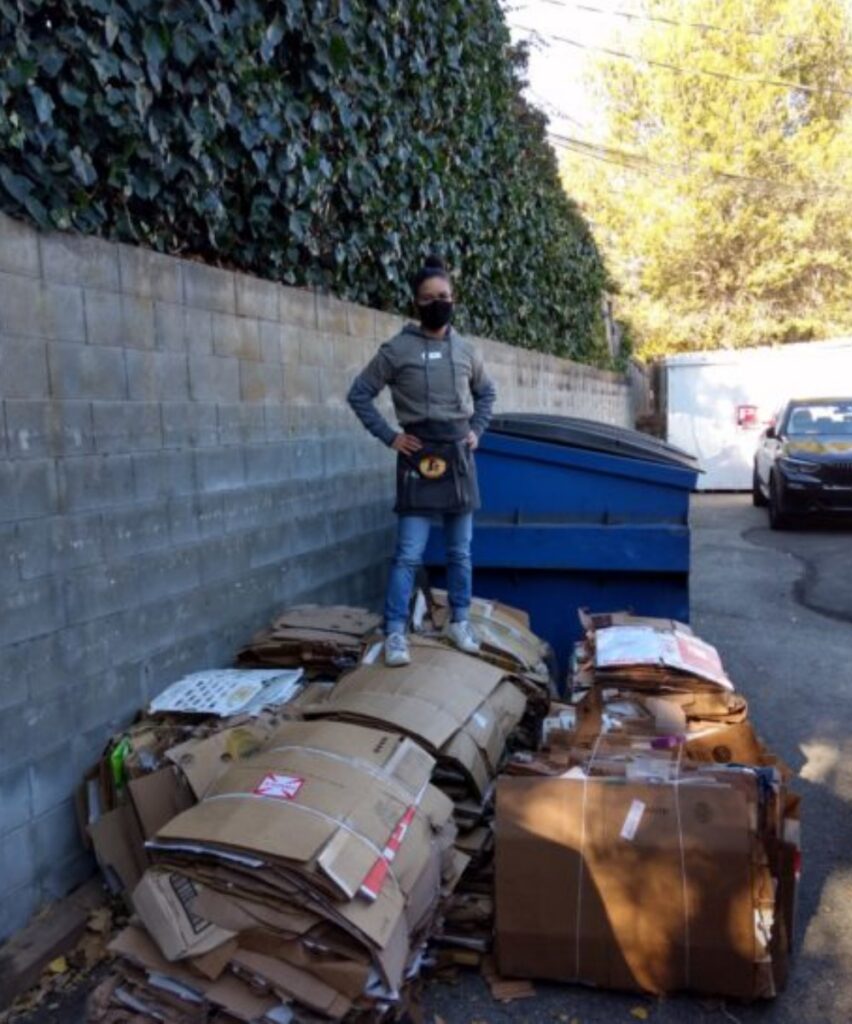 Selling cardboard bales is not simply a matter of watching the OCC price. The strongest programs bring together clean material, consistent bales, appropriate equipment, trained operators, efficient transportation & a dependable recycling outlet.
Harmony Enterprises manufactures a wide range of vertical, horizontal & automatic balers for commercial cardboard recycling applications. Our team can review your material type, volume, facility layout, labor needs & financial goals to help identify a solution that makes sense for your entire operation.
Ready to better understand what your cardboard is worth? Use Harmony’s Baler ROI Calculator or request a free Site Review to evaluate your current waste & recycling process!