Plastic Free July: Progress, Not Perfection
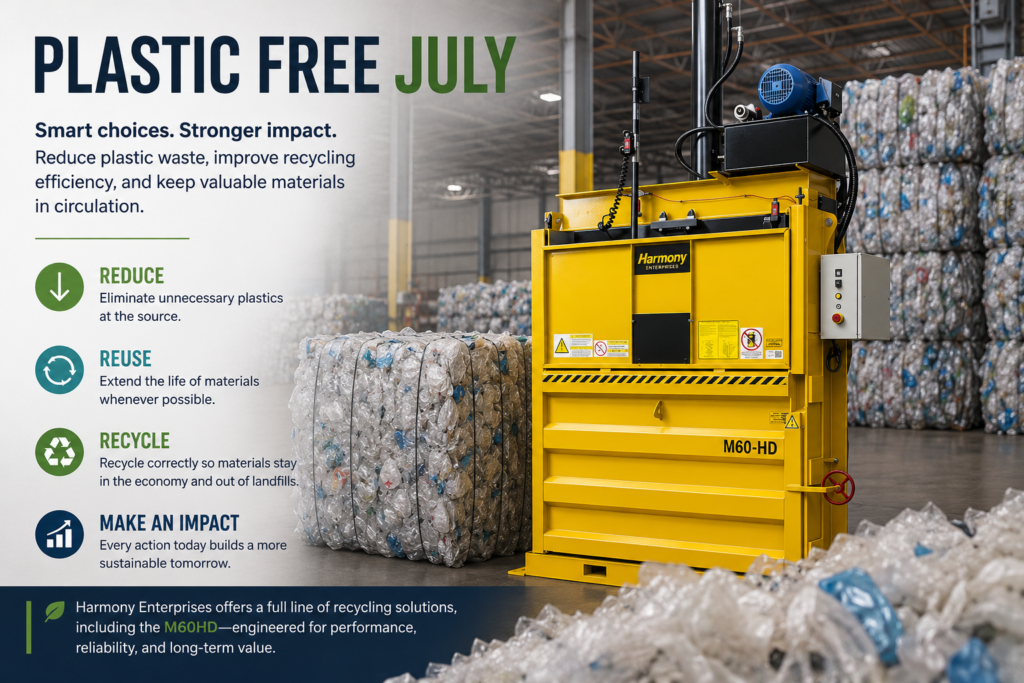
July marks Plastic Free July, a global movement that encourages people and organizations to take a closer look at the plastics they use every day and identify opportunities to reduce unnecessary waste.
At first glance, the idea of “plastic free” can seem unrealistic. Plastics play an important role in modern life, from protecting food and medical supplies to improving product durability and reducing shipping weight. For most businesses and households, eliminating plastic altogether simply isn’t practical.
But that’s not really the point.
Plastic Free July is about progress, not perfection. It’s about becoming more intentional with the materials we use, reducing single-use items when possible, reusing what we can, and recycling materials correctly so they stay in circulation rather than ending up in landfills or the environment.
Not All Plastics Are Created Equal
One of the biggest misconceptions about recycling is that all plastics are the same. In reality, plastics are manufactured differently and have varying levels of recyclability.
You may have noticed the number inside the recycling symbol on many containers. That number identifies the resin type and can help determine how widely the material is recycled.
#1 PET or PETE – Polyethylene Terephthalate
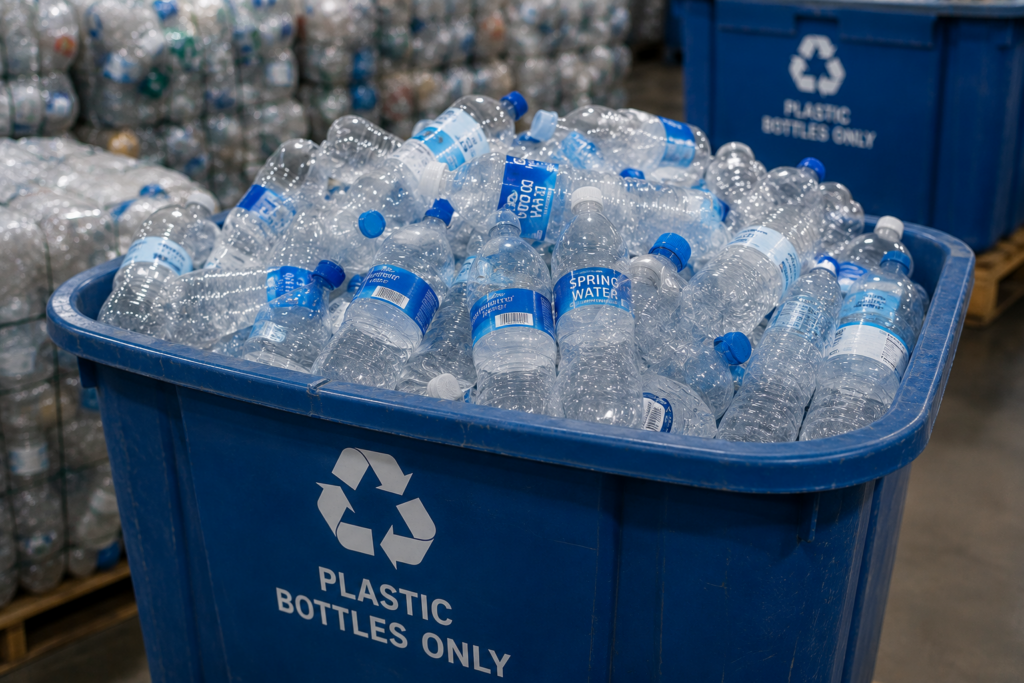 Examples:
- Water bottles
- Soft drink bottles
- Peanut butter jars
- Salad dressing containers
PET is one of the most commonly recycled plastics and is used to create products such as clothing fibers, carpeting, and new containers.
#2 HDPE – High Density Polyethylene
Examples:
- Milk jugs
- Laundry detergent bottles
- Shampoo bottles
- Household cleaner containers
HDPE is another highly recyclable plastic and is commonly made into piping, outdoor furniture, plastic lumber, and new bottles.
#3 PVC – Polyvinyl Chloride
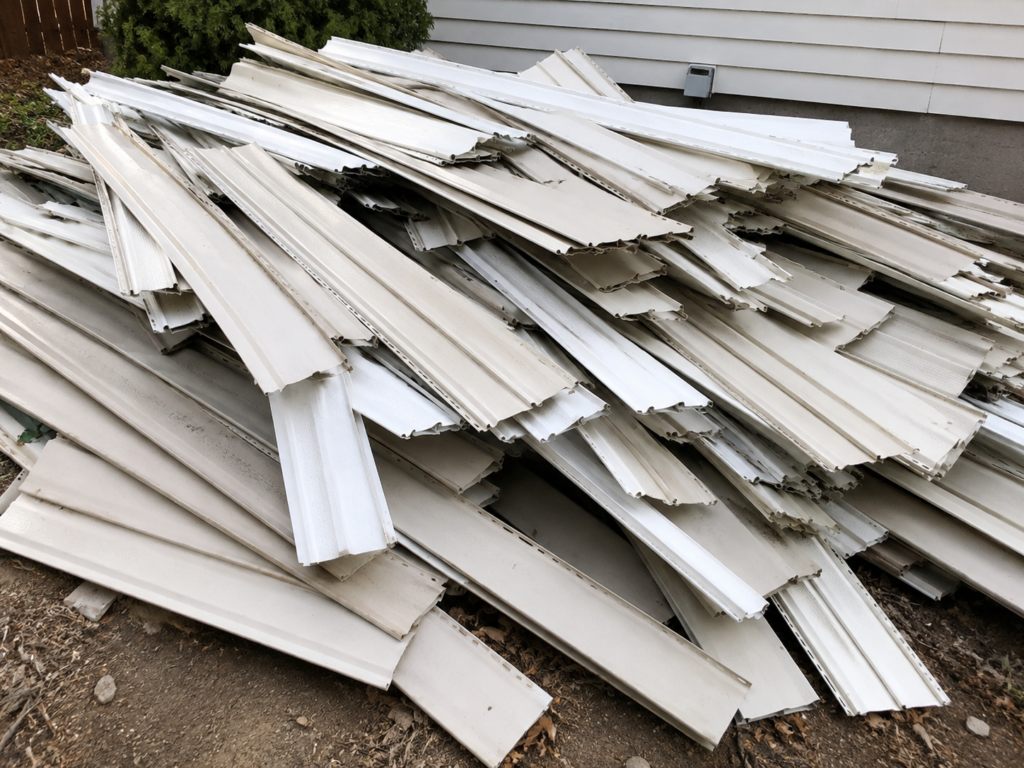 Examples:
- Pipes
- Vinyl siding
- Window frames
- Some packaging films
PVC is more difficult to recycle and is accepted less frequently in curbside programs.
#4 LDPE – Low Density Polyethylene
Examples:
- Grocery bags
- Bread bags
- Dry cleaning bags
- Squeeze bottles
While historically difficult to recycle curbside, many grocery stores and collection programs now accept clean plastic films and bags.
#5 PP – Polypropylene
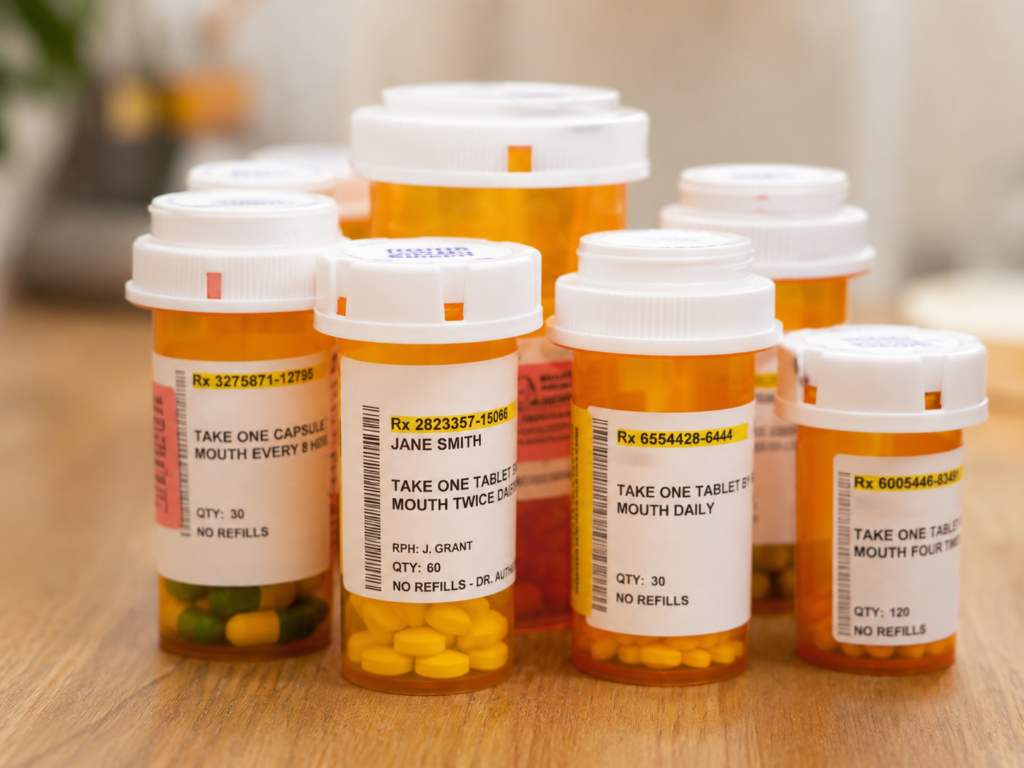 Examples:
- Yogurt containers
- Prescription bottles
- Food storage containers
- Bottle caps
Recycling access for polypropylene continues to expand, making it one of the increasingly important plastics in the recycling stream.
#6 PS – Polystyrene
Examples:
- Foam cups
- Takeout containers
- Packing peanuts
- Egg cartons
Polystyrene can be recycled in some areas, but it remains one of the more challenging materials due to transportation and processing costs.
#7 Other Plastics
Examples:
- Mixed plastics
- Polycarbonate materials
- Bioplastics
These materials vary widely and are generally recycled less often than the other categories.
The First Step Is Reducing Waste
While recycling is important, the most sustainable material is often the one that never becomes waste in the first place.
Simple changes can make a real difference:
- Choose reusable water bottles and coffee mugs.
- Purchase products with less packaging.
- Reuse shipping materials when possible.
- Replace disposable breakroom items with reusable alternatives.
- Buy in bulk to reduce packaging waste.
- Educate employees on proper recycling practices.
For businesses, these actions can also reduce hauling costs, improve material recovery, and create cleaner, more organized facilities.
Recycling Still Matters
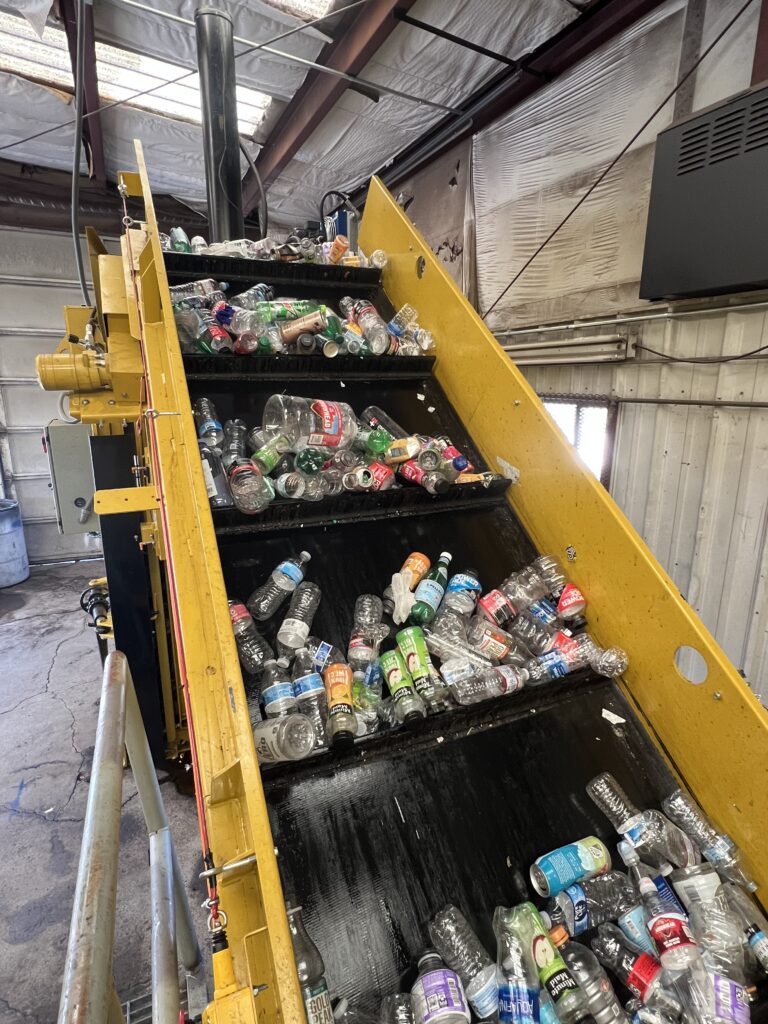 Even with efforts to reduce plastic use, recycling remains a critical piece of the sustainability puzzle.
Materials like PET bottles, HDPE containers, aluminum cans, steel, corrugated cardboard, and paper products all have value when collected properly. Recovering these materials conserves natural resources, reduces energy consumption, and supports domestic manufacturing markets.
Every bottle recycled, every bale of plastic recovered, and every ton of material diverted from disposal represents an opportunity to keep valuable resources in use longer.
Small Changes Add Up!
Plastic Free July isn’t about achieving perfection for 31 days and then moving on. It’s about building habits and systems that create lasting change.
Whether you’re an individual trying to reduce single-use plastics at home or an organization seeking to improve waste and recycling programs, the goal is the same: make thoughtful choices, keep materials in circulation, and leave a smaller environmental footprint than we did yesterday.
Because sustainability isn’t achieved through one big action.
It’s built through thousands of small decisions—made consistently, month after month, year after year.
Ready to Improve Your Plastic Recycling Program?
Whether you’re collecting PET bottles in a distribution center, recycling HDPE containers in a manufacturing facility, or evaluating a more comprehensive plastics recovery program, having the right equipment and the right partner can make all the difference.
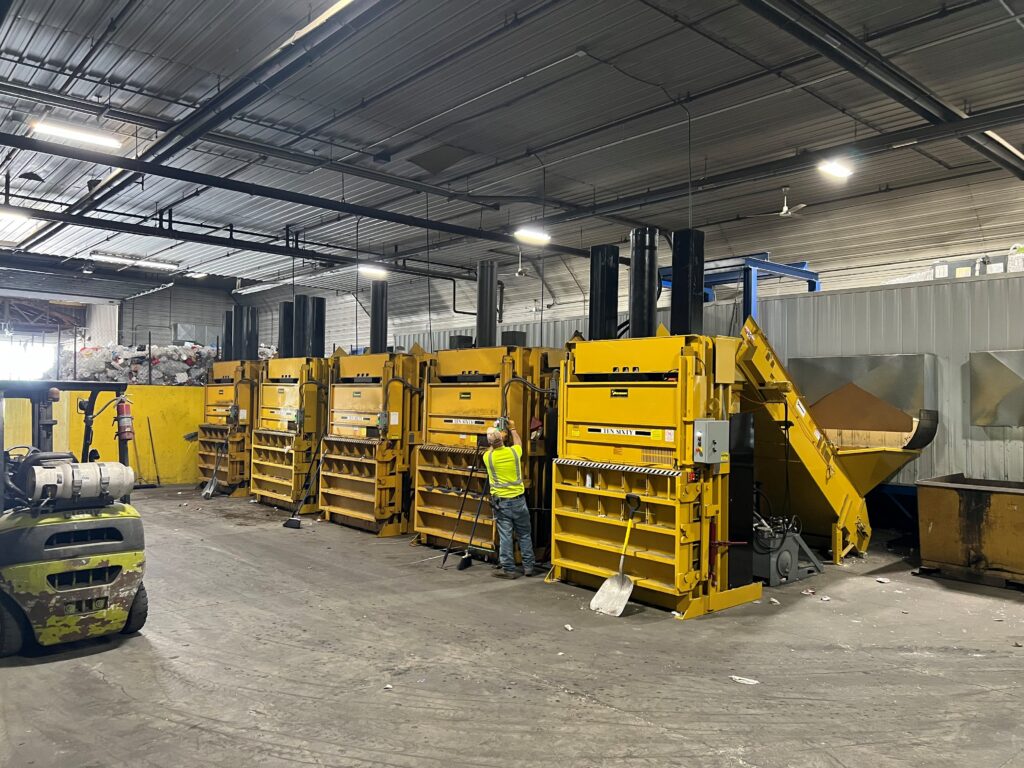 For decades, Harmony Enterprises has been a trusted leader in the design, manufacturing, service, and support of one of the industry’s broadest portfolios of recycling equipment, helping organizations of all sizes recover and manage recyclable materials more efficiently. From rigid plastics and PET containers to HDPE jugs, shrink wrap, OCC, aluminum, and more, our team has the experience to help you identify the right solution for your specific operation.
We understand that no two facilities are alike. That’s why we offer complimentary quotes and site reviews, taking the time to understand your material streams, available space, labor considerations, and sustainability goals before recommending equipment. Our objective is simple: ensure every customer receives the right recycling solution for their unique needs, nothing more and nothing less.
If you’re looking to reduce waste, improve recycling efficiency, reclaim valuable space, or advance your sustainability initiatives, we’re here to help!
Contact Harmony Enterprises today at (507) 886-6666 to speak with one of our recycling specialists, or complete our online contact form to request your free quote and site review. We look forward to helping you build a more efficient and sustainable recycling program!