How To Size a Baler or Compactor Based on Material Volume
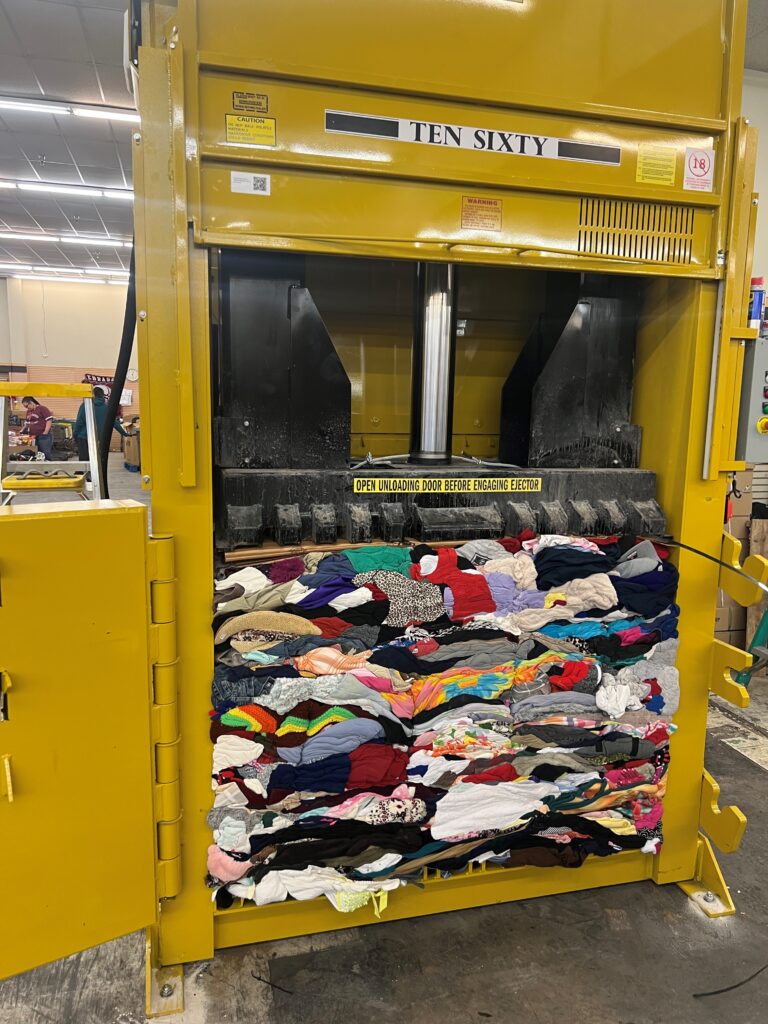 Sizing a baler or compactor begins with understanding your material volume and how it moves through your operation. When equipment is selected based on real throughput data rather than assumptions, it becomes possible to reduce hauling costs, improve labor efficiency, and maintain consistent performance across both recycling and waste streams.
The key question is not just how much material is generated, but when it accumulates. A steady waste stream may be well suited for a compactor with consistent cycle timing, while variable or high density recyclable volumes may require a baler capable of keeping pace during peak periods.
Account for Material Type and Density
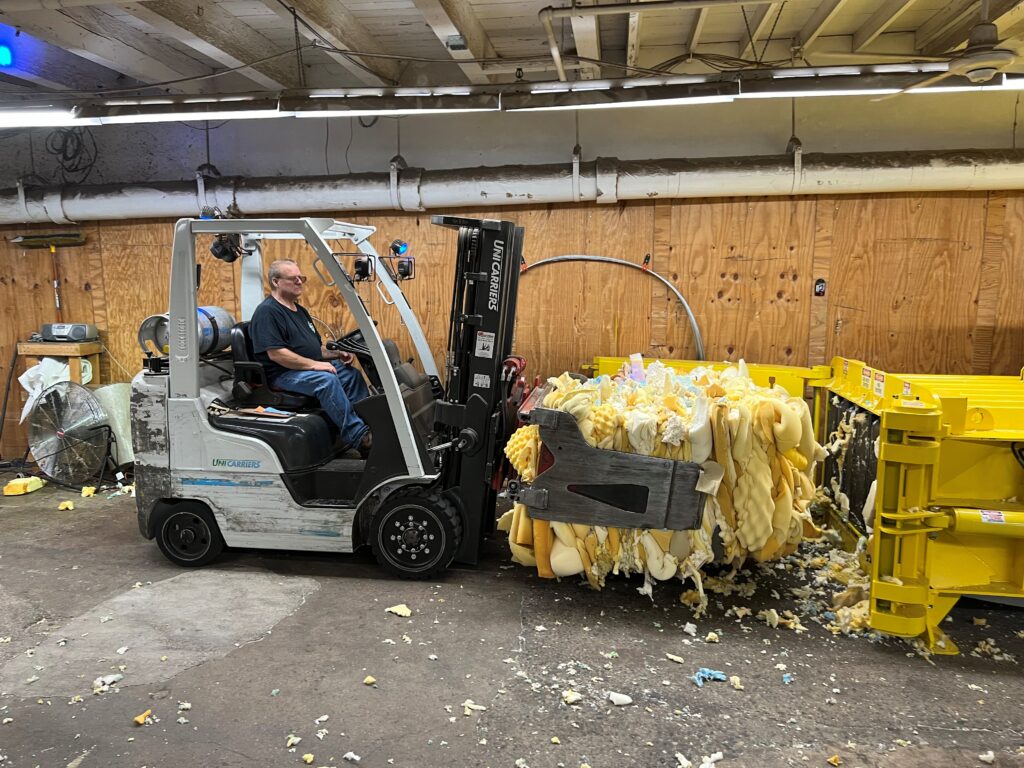 Material composition further shapes the decision. Cardboard and paper products typically achieve higher density in a baler, while plastics and lighter materials require more cycles to reach target weights. For compactors, bulky or irregular waste can create air pockets that reduce true container capacity and increase haul frequency.
Performance targets differ by equipment type. Baler efficiency is measured through consistent bale weights and output. Compactor efficiency is measured through reduced hauls, full container utilization, and minimal overflow or staging.
Watch for Labor as a Leading Indicator
Labor provides one of the clearest signals. If teams are frequently handling material multiple times, staging overflow, or adjusting their workflow to compensate for equipment limitations, sizing is off.
When sizing is based on actual volume and operating conditions, both balers and compactors become integrated parts of a well functioning system rather than points of friction.
We’re Here To Help!
 If you are not confident your current baler or compactor is sized correctly for your operation, Harmony can evaluate your material flow and identify opportunities to improve efficiency, reduce labor, and lower overall cost.
For operations looking to validate sizing decisions, Harmony’s ROI calculators provide a practical way to model material volume, labor, and hauling costs. Available on the homepage and across product pages, these tools help connect equipment selection to measurable financial outcomes.
As always, you can call us at (507) 886-6666 or Contact Us using this simple online form. We are here to help!