Why Hauling Frequency Is the Wrong KPI for Waste Management
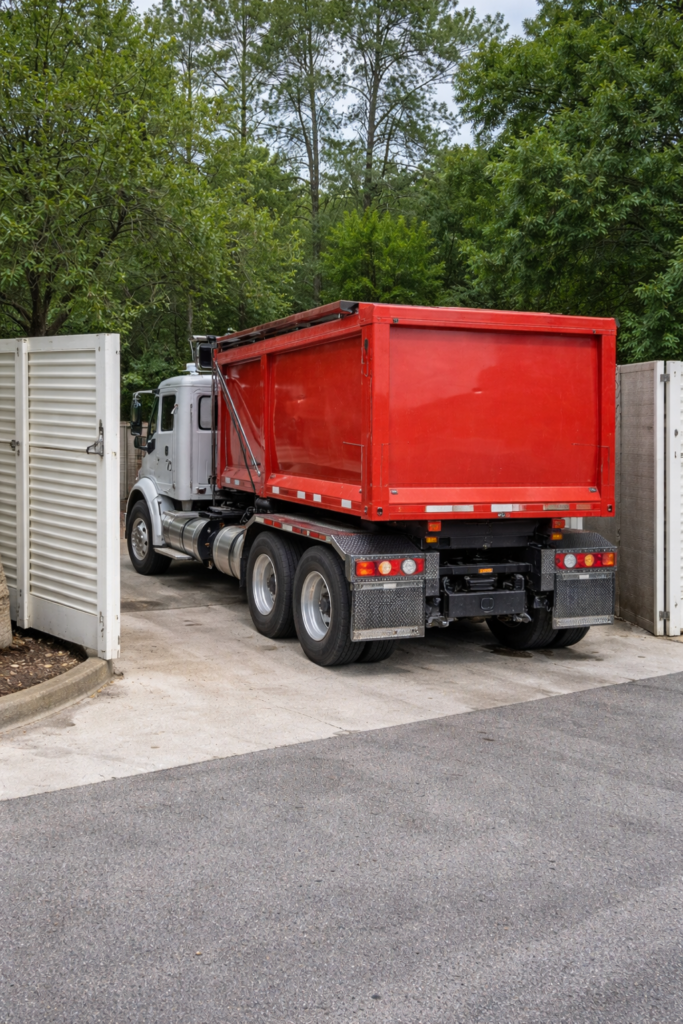 For many organizations, waste management performance is still measured by a single, familiar metric: how often the dumpster gets hauled. On the surface, it feels logical.
Fewer hauls appear to mean lower costs, while more frequent pickups suggest inefficiency.
It is simple, visible, and easy to track, which is exactly why it has become the default.
The problem is that it is also incomplete.
What Hauling Frequency Actually Tells You
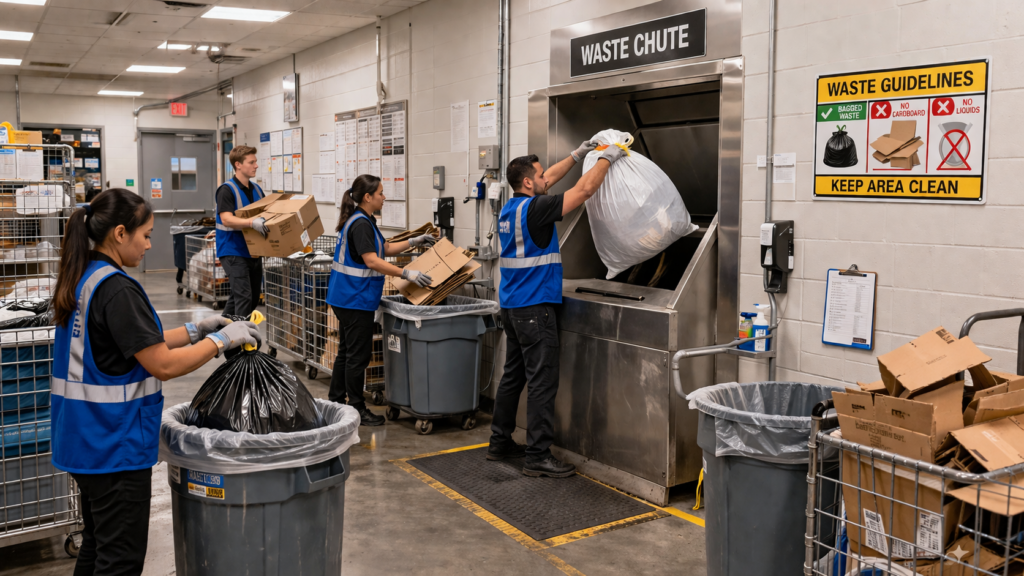 Hauling frequency is not a measure of how well your waste operation is performing. It is simply a visible outcome of a much larger system, and when organizations focus too heavily on that outcome, they often end up optimizing the wrong part of the process entirely.
What gets missed in this type of waste management kpi is everything that happens before the truck ever arrives. The internal movement of material, the labor required to manage it, the way waste is consolidated, and the amount of usable space being consumed all play a far more significant role in total cost than the number of times a hauler shows up at your dock.
Two facilities can have identical hauling schedules and still operate with completely different cost structures, simply because one is managing the system efficiently while the other is not.
Where the Real Costs Are Hiding
That is where the real gap exists. When hauling frequency becomes the primary waste management KPI, it creates a narrow view of performance that can mask inefficiencies happening throughout the operation. A team may succeed in reducing pickups, but still be spending excessive labor hours handling loose material, dealing with poor flow across the facility, or missing opportunities to capture value from recyclable streams. In those cases, the metric improves, but the system itself remains unchanged.
Shifting from Outputs to System Performance
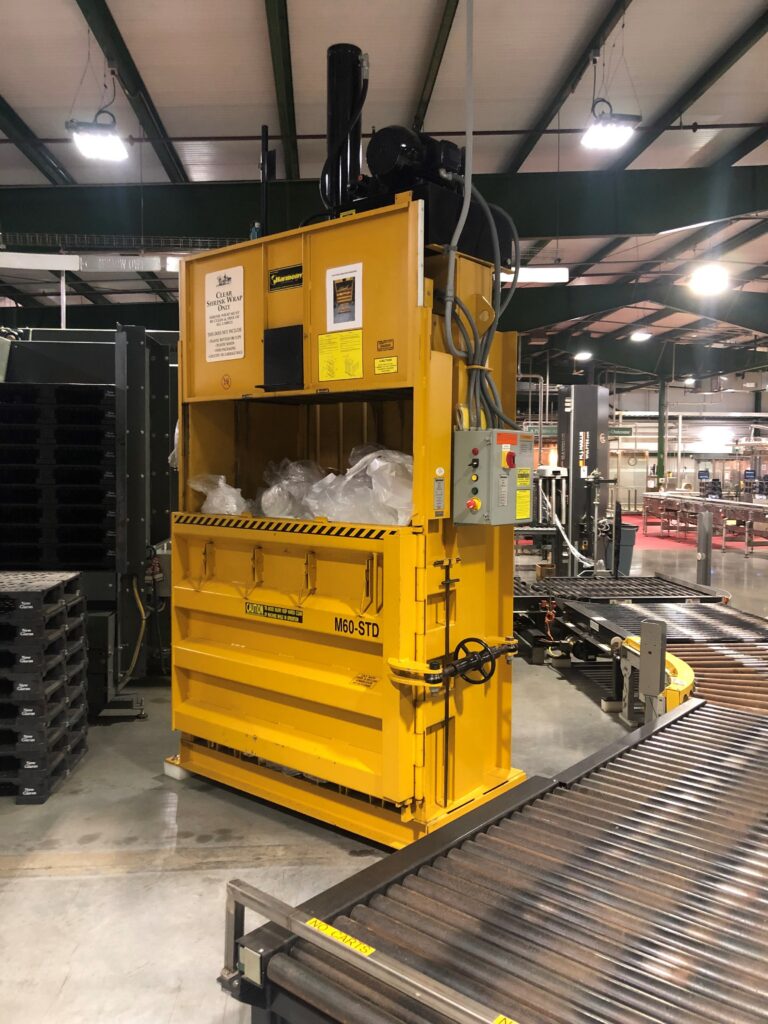 The more effective approach is to shift the conversation away from what is easiest to measure and toward what actually drives performance. Organizations that begin to treat waste as an operational system rather than a disposal task start asking different questions. Instead of focusing on how often material leaves the building, they look at what it costs to move, handle, and prepare that material in the first place. They begin to evaluate how efficiently space is being used, how consistently equipment is performing, and how much labor is tied up in processes that could be streamlined or eliminated.
When viewed through that lens, hauling frequency becomes just one piece of a much larger picture. Metrics like cost per ton, material density, labor input, and overall system efficiency provide a far more accurate understanding of where value is being gained or lost. More importantly, they open the door to improvements that extend well beyond simply reducing the number of hauls.
Why Better Systems Naturally Reduce Hauls
In practice, the organizations that make this shift often discover that fewer hauls become a natural byproduct of a better system, not the primary goal. When material is consolidated more effectively, when workflows are designed with intention, and when equipment is aligned with the demands of the operation, the entire process becomes more predictable and more efficient. Costs come down not because a pickup was eliminated, but because the system itself was improved.
How Data Changes the Conversation
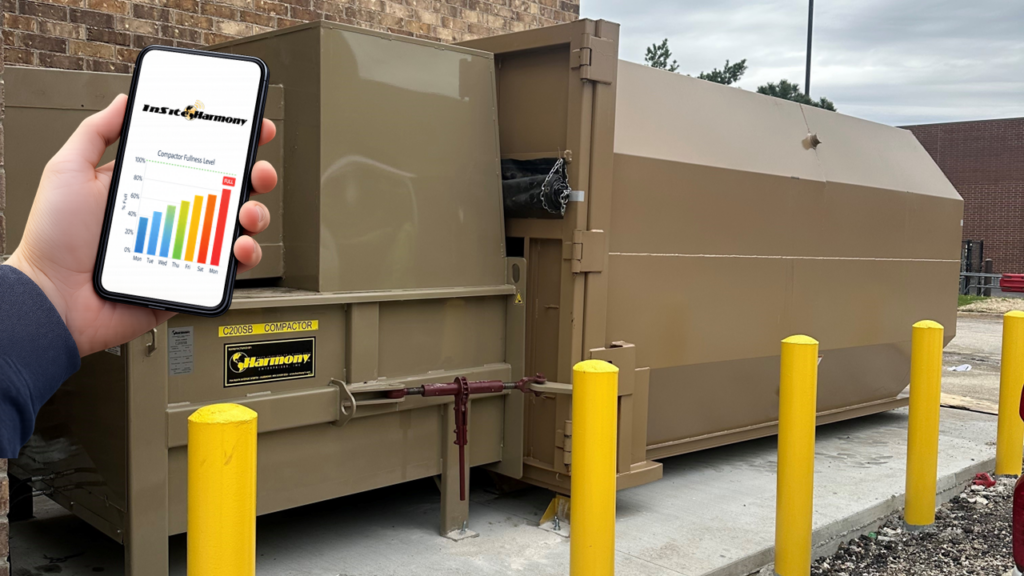 This is where data begins to change the conversation in a meaningful way. With better visibility into how waste moves through a facility, from generation to consolidation to removal, organizations are no longer forced to rely on assumptions or surface level indicators. They can see patterns, identify inefficiencies, and make decisions based on how the system is actually performing, rather than how it appears from the outside.
With data based information, the question shifts from something reactive to something far more strategic. Instead of asking how often the dumpster is being hauled, organizations begin to ask what it truly costs to manage waste across the entire operation. That is a different conversation, and it leads to very different outcomes.
Hauling frequency is not irrelevant, but it should never stand alone. When treated as the primary KPI, it limits visibility and narrows opportunity. When placed in the proper context, it becomes just one of several indicators that help guide better decisions and stronger performance over time.
Waste is not simply a disposal issue. It is a system, and like any system, it performs best when it is understood and measured correctly.
Harmony Can Help!
If you are interested in learning more about how to structure your entire waste system, Harmony can help! Our experienced sales team is here to walk you through your operational needs and provide free, no-obligation site reviews and risk assessments to ensure you are being proposed the right solution every time. Call us at (507) 886-6666 or contact us by filling out this simple form today!