How to Improve Backroom Layout to Reduce Labor and Increase Efficiency
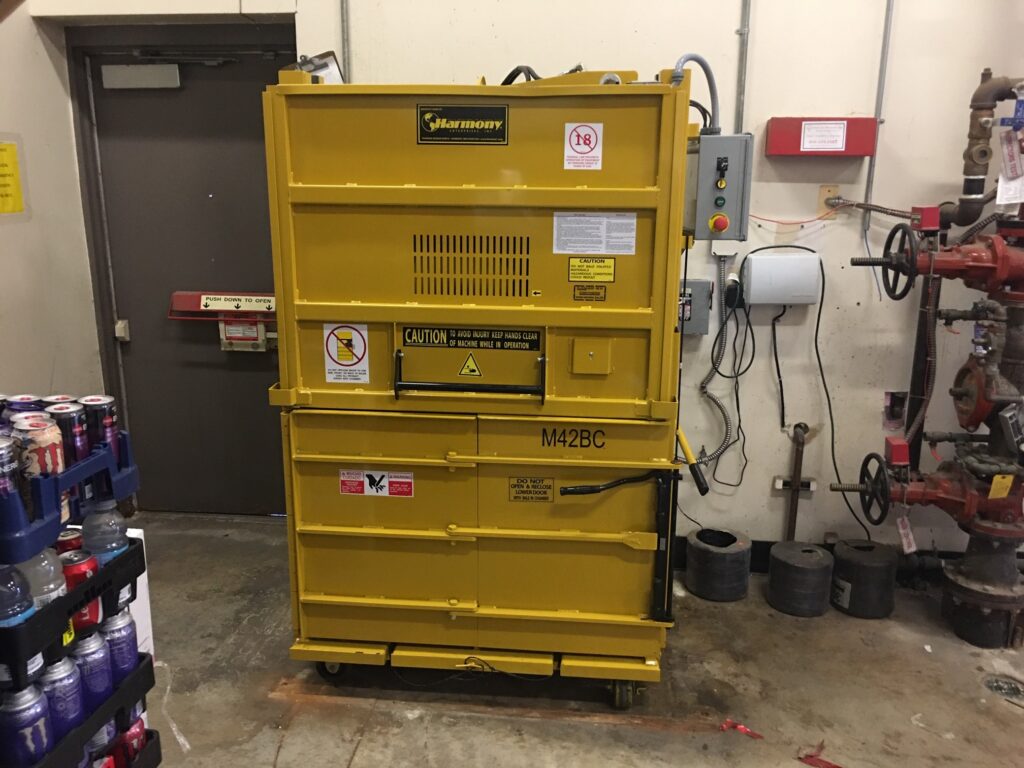 Let’s face it, your backroom layout may be costing you more than your waste or recycling equipment. So much of daily waste and recycling operations focus on the machine. But, the real inefficiencies often happen around it.
Material gets staged, moved, repositioned, and handled multiple times before it ever reaches the equipment. These extra steps quietly add labor, slow down throughput, and create unnecessary risk. The issue is not always what equipment you have. It is how your space is designed to use it.
Rethinking the Backroom as a System
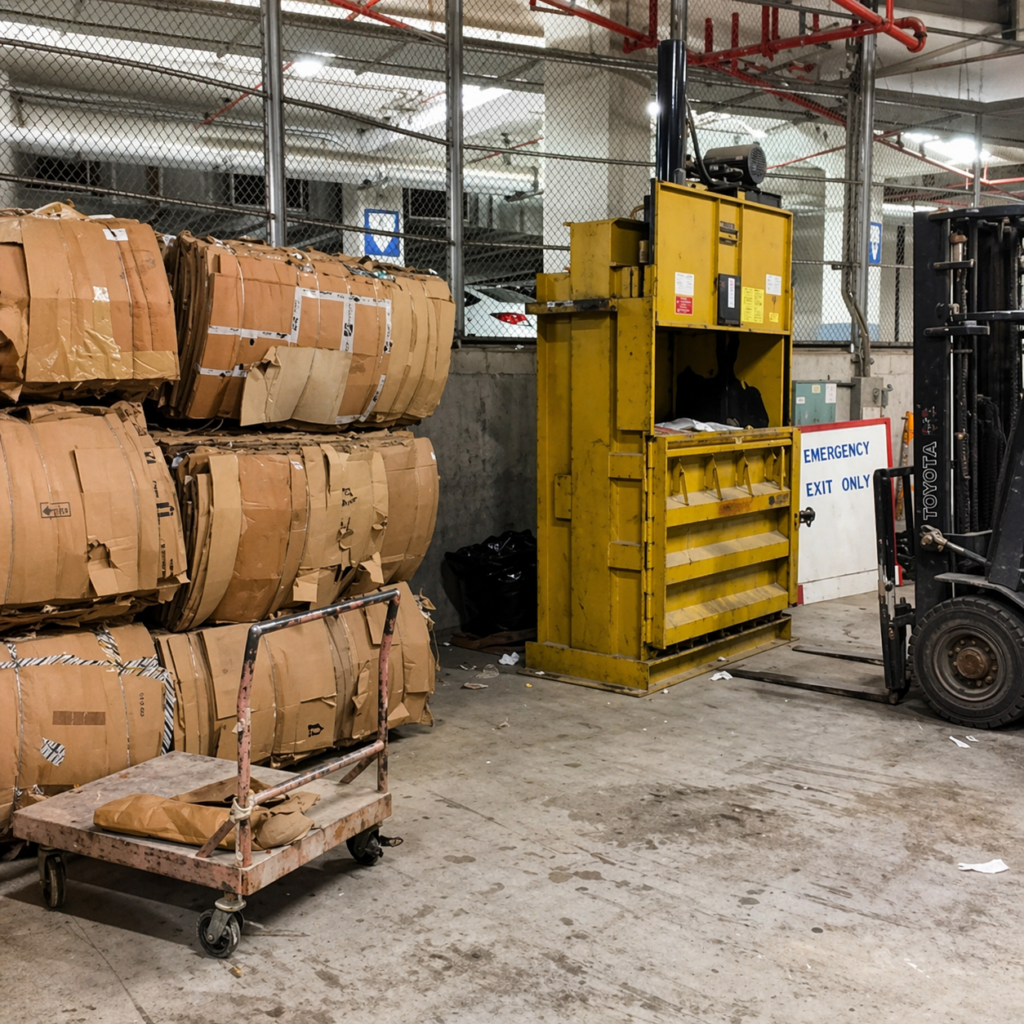 Waste handling or recycling is not a single action, it is a flow. From the moment material is generated to the point it is processed or removed, every step matters. When that path is unclear or inefficient, the entire operation slows down.
Congestion builds while teams work around the layout instead of with it. In this type of environment, small inefficiencies compound throughout the day. Improving performance starts by understanding that flow.
How to Improve Backroom Layout
Start by evaluating how material actually moves through your space. These simply things may help your waste and recycling backroom layout efficiency:
Look at the full path
Trace material from where it is generated to where it is processed. Identify every touchpoint along the way.
Identify congestion points
Areas where material piles up or slows down are often signs of poor layout or placement.
Reduce unnecessary handling
If material is being moved more than once before processing, there is an opportunity to simplify.
Evaluate equipment placement
The best equipment in the wrong location creates inefficiency. Placement should support a direct, continuous flow.
Create a single direction of movement
Material should move forward through the process, not back and forth across the space.
Where Efficiency Is Gained or Lost
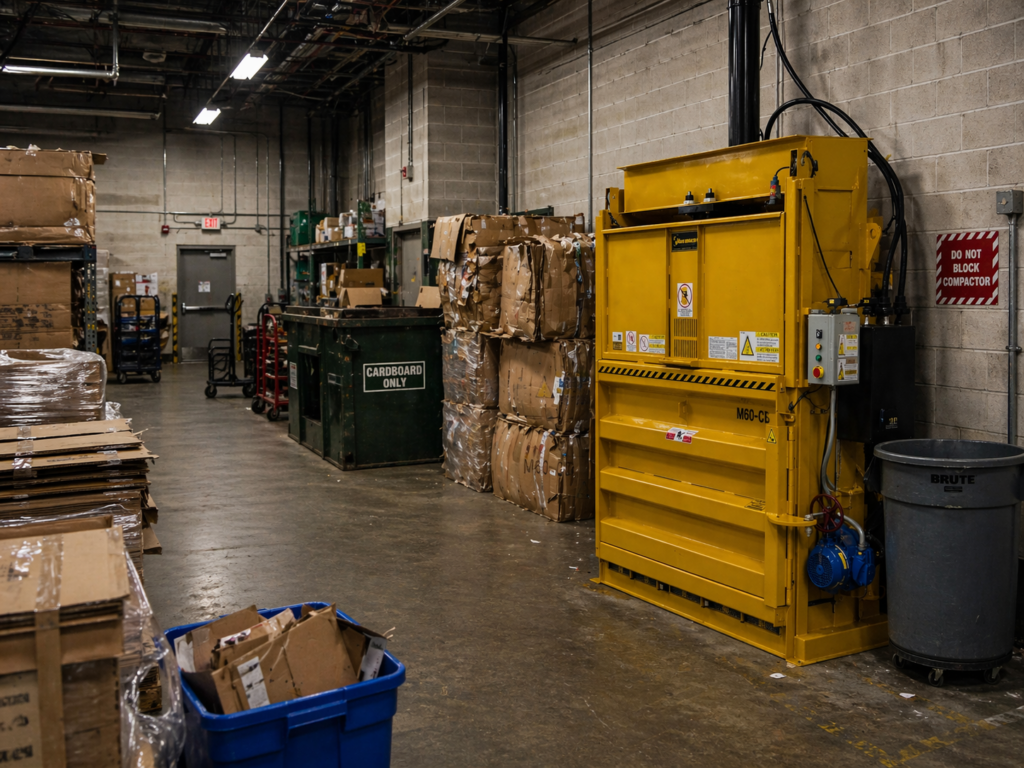 Backroom inefficiencies are often hidden, but they are measurable. They increase labor, slow down operations, create safety risks, and limit the effectiveness of your equipment.
Small improvements in flow can reduce unnecessary movement, improve consistency, and allow your equipment to perform the way it was intended.
When flow improves, everything improves.
A Better Way to Look at Your Operation
If your operation feels busy but not efficient, the issue may not be capacity. It may be layout.
Harmony works with facilities to evaluate material flow and identify simple changes that improve efficiency without requiring major capital investment.
If you would like a second perspective on your setup, we are always available to help. Please call us at (507) 886-6666 or fill out this short form to reach our helpful staff today!