How To Tell If Your Compactor Is Full
Why Perception Is Costing You More Than You Think
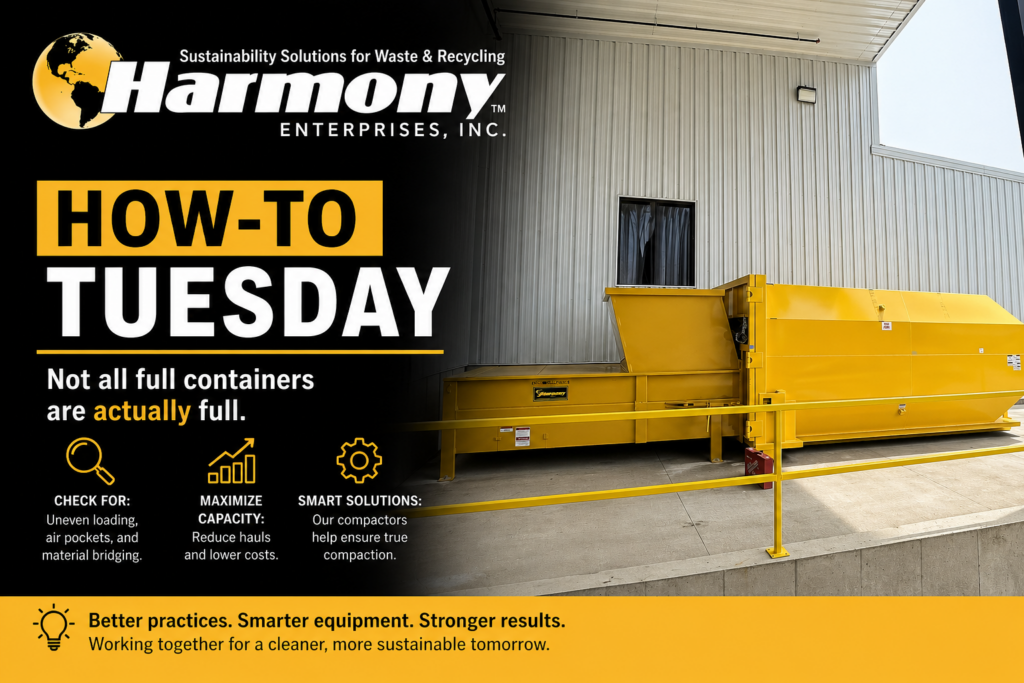 In many operations, hauling decisions are made based on what appears to be a full container. The lid is near capacity, material is visible at the top, and the natural assumption is that it is time for a pull. The reality is that many of these containers are not truly full. How can you tell if your compactor is full or if there is an issue with perception?
What looks like capacity is often the result of uneven loading, trapped air, or material bridging inside the chamber. These conditions create the illusion of fullness while leaving a significant amount of usable volume untouched.
Over time, this gap between perception and reality leads directly to unnecessary hauls, increased transportation costs, and avoidable operational inefficiencies. Understanding the difference is where immediate savings begin!
What to Check Before Scheduling a Haul
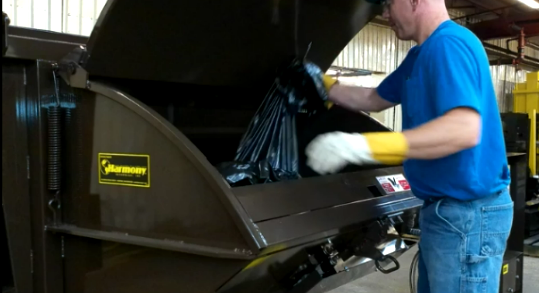 Before assuming a container has reached capacity, it is worth evaluating a few common conditions that distort what “full” actually means. Here are some common things to check for an avoid:
Uneven Loading
Material that is consistently loaded in one area, often near the door or hopper, creates dense buildup in a single zone. This prevents material from distributing evenly throughout the container, limiting how much volume can actually be used.
Air Pockets
Loose or bulky materials often trap air during loading. Without proper compaction or redistribution, these pockets take up space that could otherwise be filled with usable material.
Material Bridging
Certain materials can form arches or bridges inside the container, particularly when loading is inconsistent. This creates a false ceiling, making the container appear full while large voids remain underneath.
Each of these issues contributes to premature hauling decisions that drive up cost without adding value.
How to Maximize True Container Capacity
Improving container utilization does not require new equipment. It starts with small, consistent adjustments in how material is handled.
Focus on distributing material evenly across the chamber rather than relying on a single drop point. Encourage operators to visually assess load distribution before initiating compaction cycles. Where possible, break down bulky items to reduce void space and allow for tighter packing.
Just as important is timing. Running compaction cycles too early can lock in inefficiencies by compressing poorly distributed material rather than optimizing total volume.
When these practices become routine, operations often see immediate reductions in haul frequency.
How Equipment Design Can Support Better Outcomes
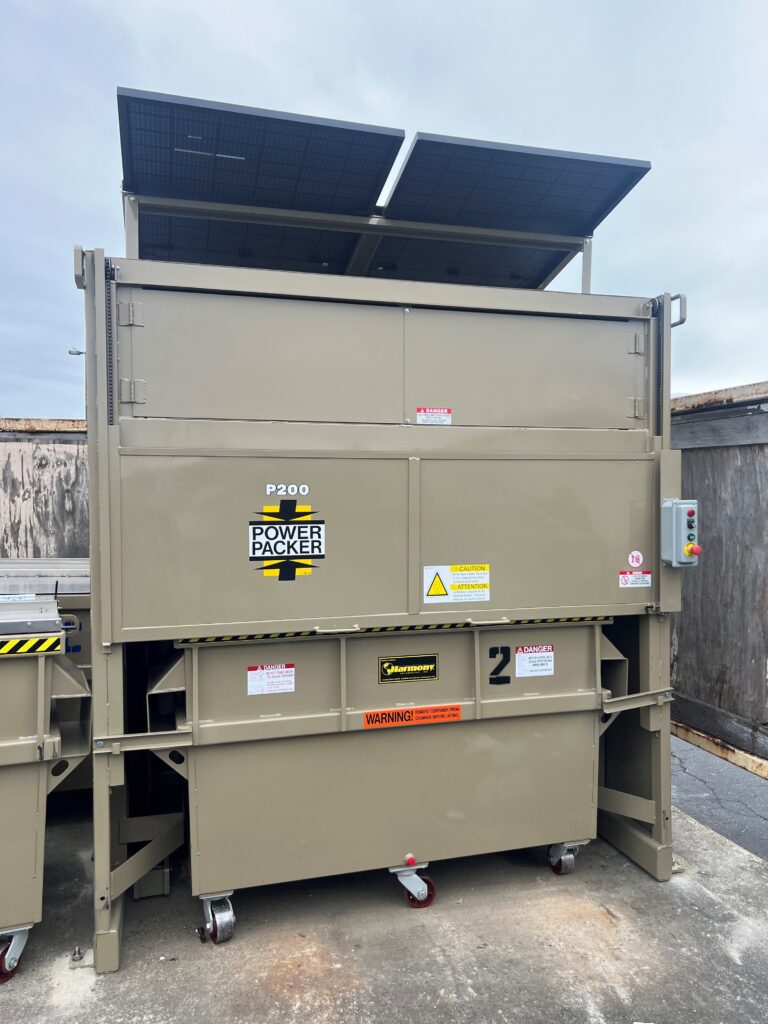 While operator behavior plays a significant role, equipment design can also help eliminate the guesswork.
Solutions like the Harmony P200 Compactor incorporate a maximizer feature that applies compaction pressure is held until the next time its loaded. This ensures that residual air pockets are reduced and that material settles more completely over time.
Instead of relying solely on a single compaction event, the system works in the background to achieve more consistent density throughout the container.
The result is a more accurate representation of when the container is truly full, allowing hauling decisions to be based on actual capacity rather than appearance.
The Bottom Line
When hauling decisions are driven by perception rather than true volume, operations end up paying for empty space. By addressing loading practices, identifying common inefficiencies, and leveraging equipment designed to optimize compaction, organizations can significantly reduce unnecessary hauls and lower overall waste handling costs.
If you are unsure whether your containers are reaching true capacity, or whether your compactor is actually full, a simple operational review can often uncover immediate opportunities for improvement. Give Harmony a call at (507) 886-6666 or fill out this simple form to talk with a professional today!