How To Inspect & Maintain Your Baler for Consistent Performance
How-To Tuesday | Week 9
Consistency Does Not Come From the Machine Alone
Operational consistency is often attributed to equipment quality, but in reality, it is driven by how that equipment is managed day-to-day. Even the most reliable baler will underperform if inspection and maintenance are inconsistent.
The difference between stable output and costly downtime is rarely a major failure. It is the accumulation of small, overlooked issues that gradually impact performance. A structured inspection and maintenance routine ensures those issues are identified early, corrected quickly, and prevented from escalating.
When daily, weekly, and monthly checks are aligned, the result is not just a well maintained machine. It is a predictable, controlled system that produces consistent bale quality, reduces service interruptions, and protects long term equipment value. All of these recommendations are made available for each baler model in our comprehensive owner’s manuals.
Daily Baler Inspections: Establishing a Reliable Starting Point
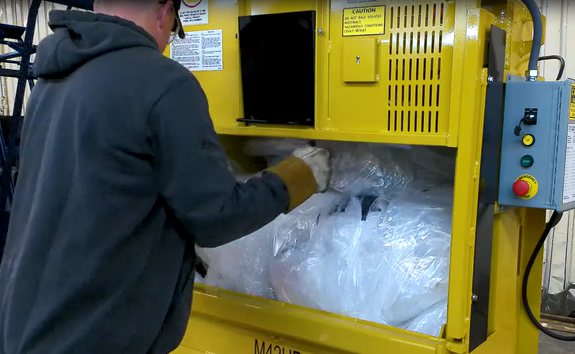 Daily inspections are not about depth. They are about awareness and consistency. This is where operators confirm that the machine is ready to perform before each shift begins. The focus should remain on visible and functional elements that indicate immediate issues.
Operators should verify that all controls and selector switches respond correctly and that door safety interlocks are fully engaged. A quick walkaround should confirm there are no hydraulic leaks, loose components, or visible structural concerns within the chamber, ram, or doors.
Chains, hinges, and high movement areas should be checked for early signs of wear or misalignment. These observations take only minutes but create a consistent baseline, ensuring the machine starts each day in a known and reliable condition.
Weekly Checks: Validating Performance Beneath the Surface
While daily checks confirm readiness, weekly inspections validate that the machine is operating as intended. This is where many preventable issues can be caught before they impact production.
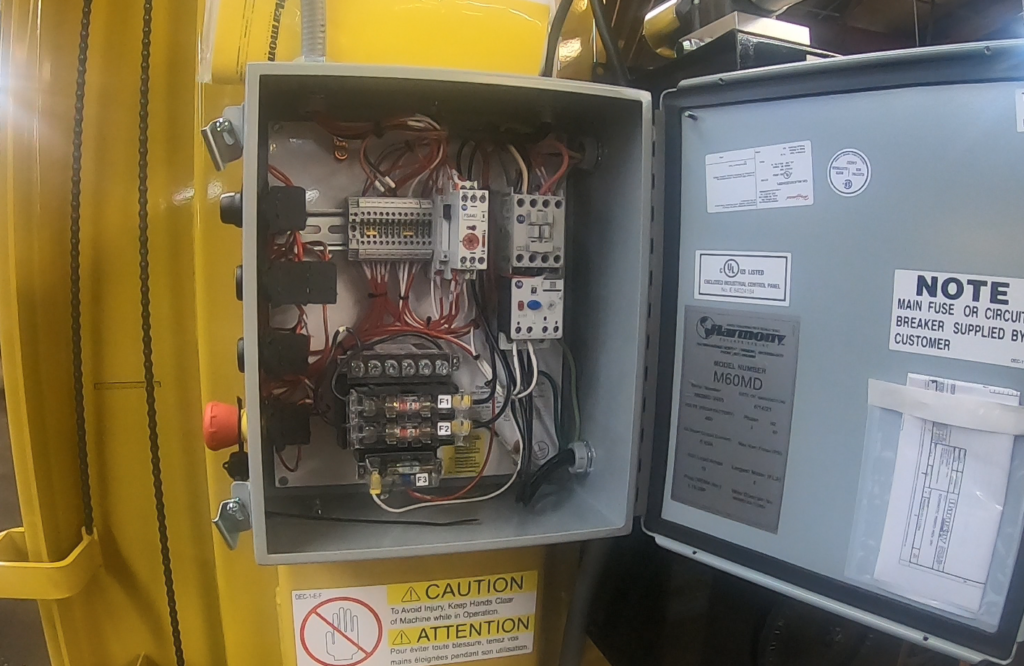 Hydraulic oil levels should be verified and evaluated for condition, ensuring the system is properly supported under load. Electrical connections and wiring should be reviewed for looseness or wear, particularly in high vibration areas.
Limit switches and sensors should be tested to confirm they are triggering correctly, as these components directly affect cycle completion and safety functions. Small inconsistencies at this level often lead to incomplete cycles, inconsistent bale weights, or unnecessary service calls if left unaddressed.
Weekly validation ensures the system is not just running, but running correctly.
Monthly Maintenance: Protecting Long Term Performance
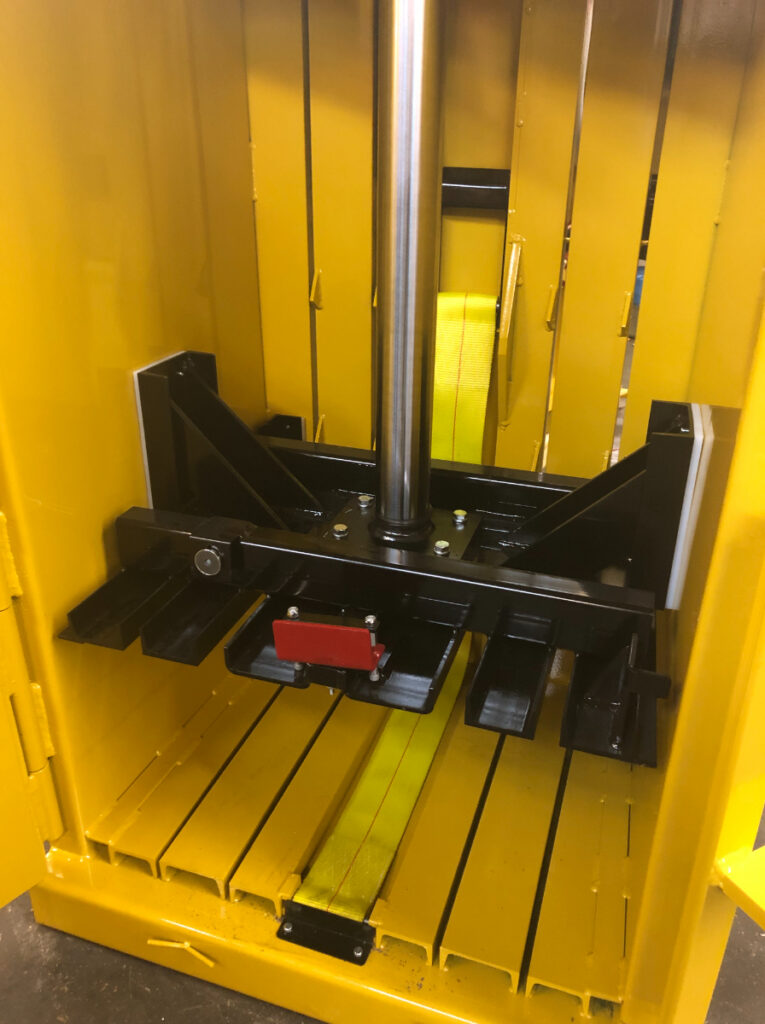 Monthly maintenance moves beyond inspection into preservation. This is where long term reliability is built. Wearable components such as seals, guide systems, and high contact surfaces should be reviewed more thoroughly to identify degradation before failure occurs. Lubrication points should be serviced according to manufacturer recommendations to reduce friction and extend component life.
This is also the appropriate interval to evaluate overall machine condition, ensuring that structural integrity, alignment, and performance characteristics remain within expected parameters.
Consistent monthly maintenance reduces the likelihood of unexpected downtime, stabilizes performance, and protects the total lifecycle value of the equipment.
Annual Preventive Maintenance
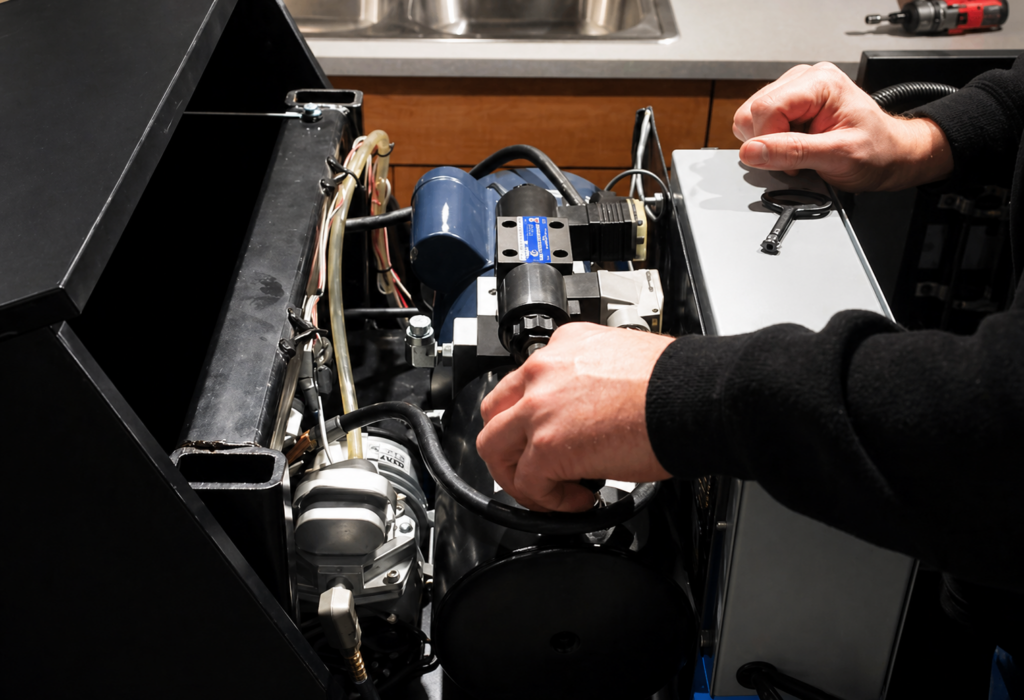 An annual preventive maintenance visit by a Harmony Enterprises factory technician adds another level of assurance that routine checks alone cannot provide.
This is a comprehensive, system level evaluation where critical components are inspected against original specifications, hydraulic and electrical systems are tested under real operating conditions, and any emerging wear trends are identified before they become failures.
It also creates an opportunity to recalibrate performance, review operator practices, and ensure the machine is aligned with current production demands. This type of proactive service not only protects uptime, but helps extend the overall life of the equipment while maintaining peak performance.
Consistency Is What Creates ROI
Many operations focus on reacting to problems rather than preventing them. The reality is that most downtime, inconsistent bale weights, and unnecessary service costs can be traced back to gaps in routine inspection and maintenance.
A baler that is inspected daily, validated weekly, and maintained monthly does not just run better. It produces measurable operational benefits.
- More consistent bale weights
- Reduced material handling interruptions
- Lower service and repair costs
- Extended equipment lifespan
If your operation does not currently follow a structured maintenance approach, this is one of the fastest ways to improve performance without investing in new equipment.
If an outside perspective would be valuable, Harmony can assess your current process and pinpoint practical ways to strengthen consistency and lower operating costs. Call us at (507) 886-6666 or fill out this simple form to Contact Us today!