Beverage Destruction Balers & Aseptic Carton Recycling
Food and beverage manufacturers frequently face a difficult challenge when dealing with expired, damaged, or recalled product. While destroying unsellable beverages is often necessary to protect brand integrity, the packaging itself may still contain valuable recyclable material.
This is increasingly true for aseptic beverage cartons, which are now being accepted by more recycling programs as recovery infrastructure expands.
Beverage destruction balers allow manufacturers, distributors, and recycling facilities to destroy product securely while preparing packaging for recycling.
What Are Aseptic Beverage Cartons
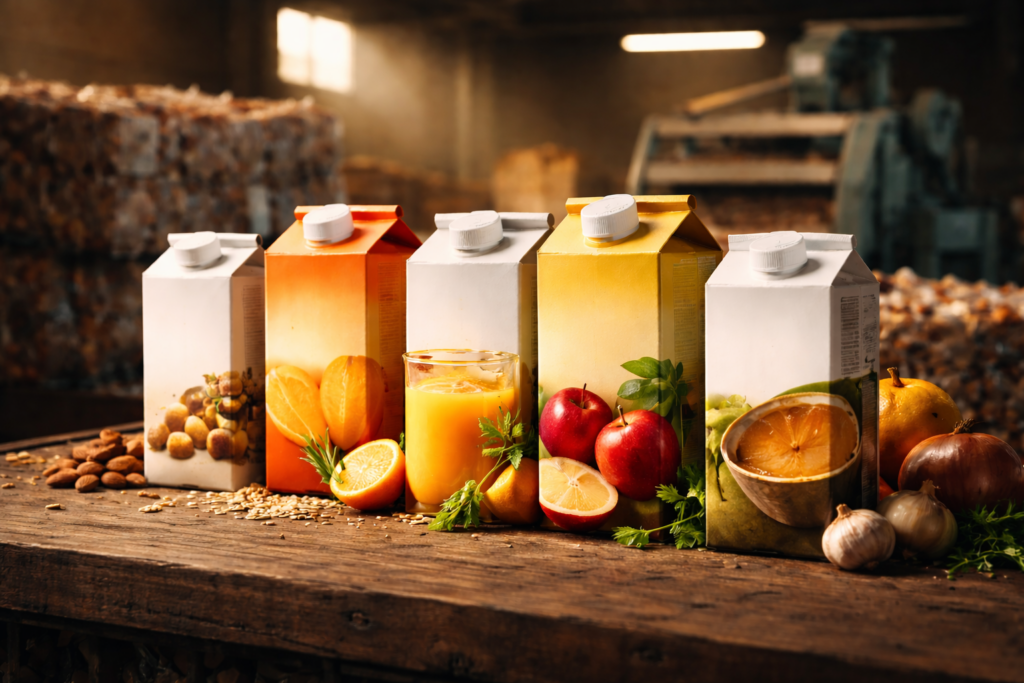 Aseptic cartons are widely used for shelf stable beverages such as plant based milks, juices, broths, and nutritional drinks.
These packages extend shelf life without refrigeration, making them popular with beverage brands and consumers alike.
Most aseptic cartons consist of layered materials including:
• Paperboard
• Polyethylene
• Aluminum
Historically, the multi layer structure made recycling difficult. Today, however, specialized recycling facilities are increasingly able to recover the paper fiber and separate remaining materials, allowing more cartons to enter recycling streams.
The Challenge of Destroying Packaged Beverages
Manufacturers and distributors regularly encounter situations where packaged beverages cannot be sold. These situations may include when the products are expired, a product recall, damaged packaging from shipping, or overruns and unsellable inventory.
Simply sending full cartons to landfill wastes both the liquid product and the recyclable packaging material. Facilities need a way to separate the beverage contents from the packaging efficiently and securely.
How Beverage Destruction Balers Work

Harmony’s ExtractPack Max beverage destruction machine installed in Modesto, CA.
Beverage destruction balers allow operators to load full containers directly into the baler chamber. The system compresses the material, releasing and draining the liquid contents while consolidating the remaining packaging.
The process typically includes:
-
Crushing containers to release the liquid product
-
Capturing and draining the liquid contents
-
Compacting the empty packaging into dense bales
This approach allows facilities to securely destroy product while preparing packaging for recycling or transport to recovery facilities.
Why This Matters for Aseptic Carton Recycling
For aseptic cartons to be recycled effectively, they must first be clean and consolidated for transport.
Beverage destruction balers help accomplish this by:
• Removing liquid contents from cartons
• Reducing packaging volume
• Creating dense bales for transport
• Improving handling efficiency at recycling facilities
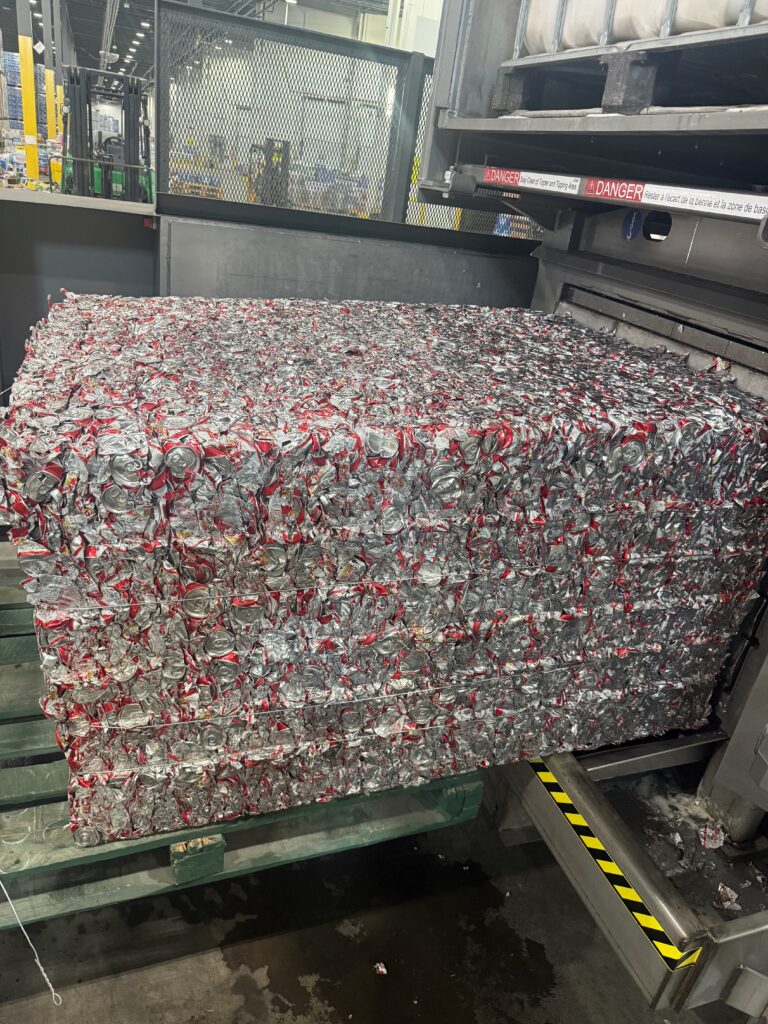
Aluminum bale made by a Harmony ExtractPack Max in Edmonton, Canada.
For beverage distributors, contract packagers, and recycling operations, this process can significantly improve both logistics and sustainability outcomes.
As more municipalities and material recovery facilities begin accepting aseptic cartons, the ability to properly process unsellable packaged beverages becomes increasingly important.
Beverage destruction balers help facilities:
• Protect brand integrity through secure product destruction
• Recover recyclable packaging material
• Reduce landfill waste
• Improve transportation efficiency for recyclables
These systems help bridge the gap between product destruction and material recovery.
A Growing Opportunity for Beverage Recycling
The expansion of aseptic carton recycling reflects a broader shift toward circular packaging systems in the beverage industry. Equipment that efficiently separates liquid contents from packaging will play an important role in supporting this transition.
For beverage manufacturers, distributors, and recycling facilities, beverage destruction balers offer a practical way to manage unsellable product while recovering valuable packaging materials.
If your facility handles expired or unsellable packaged beverages, beverage destruction balers can help streamline product destruction while preparing packaging for recycling. Contact Harmony to learn more about solutions designed for beverage distributors and recycling operations.