The Real Cost of Inconsistency
In many operations, output is tracked closely, but the definition of quality is often left unanswered. That gap is where inconsistency begins, and when bale weights vary from one cycle to the next, the impact extends far beyond the production floor into measurable financial loss across labor, hauling, and commodity value. This second week of Harmony’s “How-To Tuesdays” series tackles this important issue of bale weight consistency.
Bale Weight Consistency
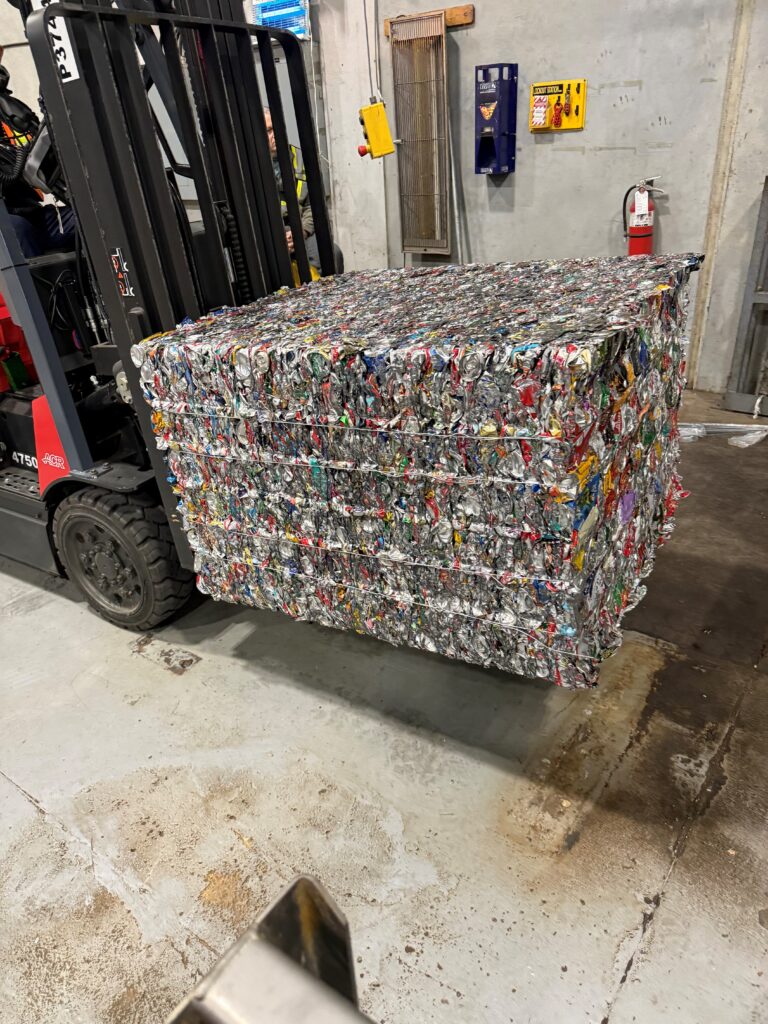 When a team has not clearly established what a “good bale” looks like, each operator naturally develops their own interpretation, which leads to variation in weight, density, and overall performance. Over time, that variation creates a pattern of underfilled bales, unnecessary wire usage, and missed revenue opportunities that are rarely tied back to the root cause.
The cost of inconsistency is often underestimated because it does not show up as a single obvious issue. Instead, it accumulates gradually through lighter loads, more frequent hauls, and additional handling, all of which reduce efficiency and erode margins.
An underfilled bale represents lost commodity value, while inconsistent density limits how much material can be moved per haul, increasing transportation frequency and cost. At the same time, compensating behaviors such as retying or running extra cycles introduce avoidable labor and consumable expenses.
What a “Good Bale” Looks Like
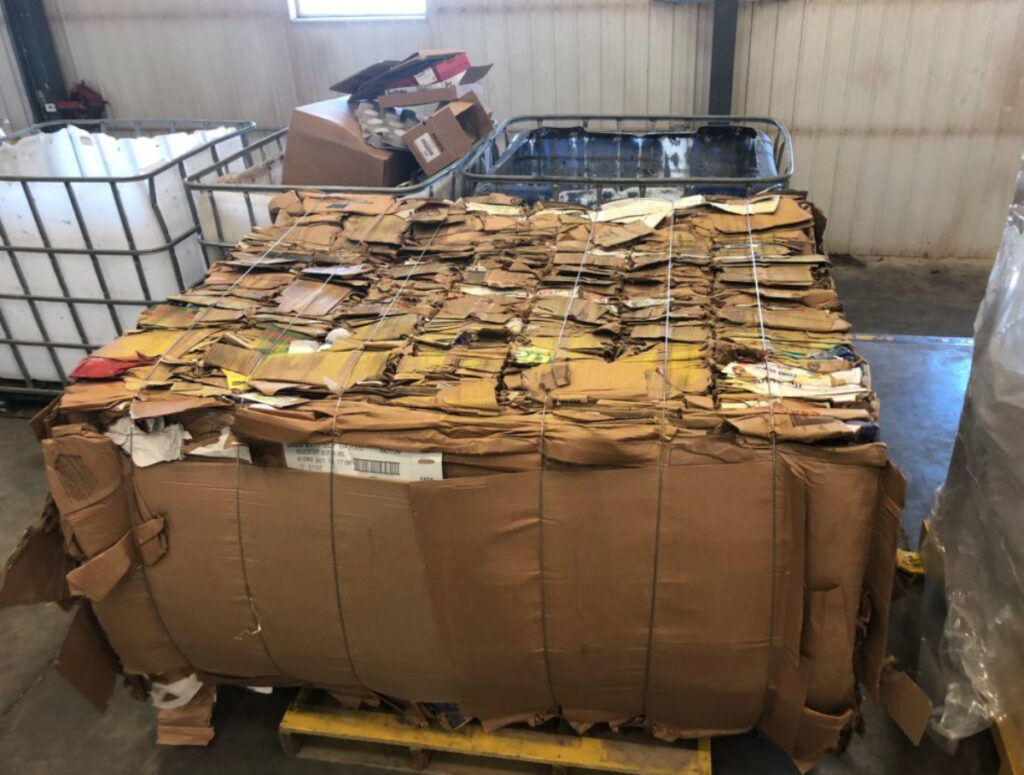 Establishing a clear and repeatable standard for what constitutes a good bale is one of the most effective ways to address this issue.
A well-defined bale should consistently fall within a target weight range that aligns with the material stream, demonstrate uniform density from front to back, and reflect fully completed cycles that maximize chamber capacity. When these elements are all aligned, the outcome becomes predictable, and that is what drives both operational efficiency and financial return.
There are several practical areas that can be evaluated quickly to identify where inconsistency may be introduced.
- One of the most important is whether bale weights are consistently hitting a defined target range, as wide variation is a clear indicator that the process is not controlled.
- Another is how material is being loaded into the chamber, since uneven distribution is one of the most common and overlooked contributors to poor density and underutilized capacity.
- Finally, it is important to assess whether cycles are being completed fully, because stopping short or running partial cycles reduces compaction effectiveness and leads directly to lighter bales.

Process Over Equipment
In most cases, the underlying issue is not the equipment itself but the process surrounding it. Without clearly defined expectations, consistent training, and reinforcement on the floor, teams tend to prioritize speed over consistency, which introduces variability that quietly reduces performance over time. By contrast, operations that establish clear standards and hold to them typically see immediate improvements without making any changes to their equipment.
When bale weights become consistent, the benefits extend across the entire operation. Haul frequency is reduced because each load carries more value, commodity revenue improves due to higher density, wire usage becomes more efficient, and overall output becomes more predictable and easier to manage. These gains are not the result of major capital investment but of disciplined execution around a clearly defined process.
For many operations, the challenge is not recognizing the importance of consistency but understanding what their specific targets should be. Bale weight benchmarks can vary based on material type, volume, and equipment configuration, which makes it difficult to establish the right standard without a clear point of reference.
That is where an external perspective can provide value.
Let Harmony Help!
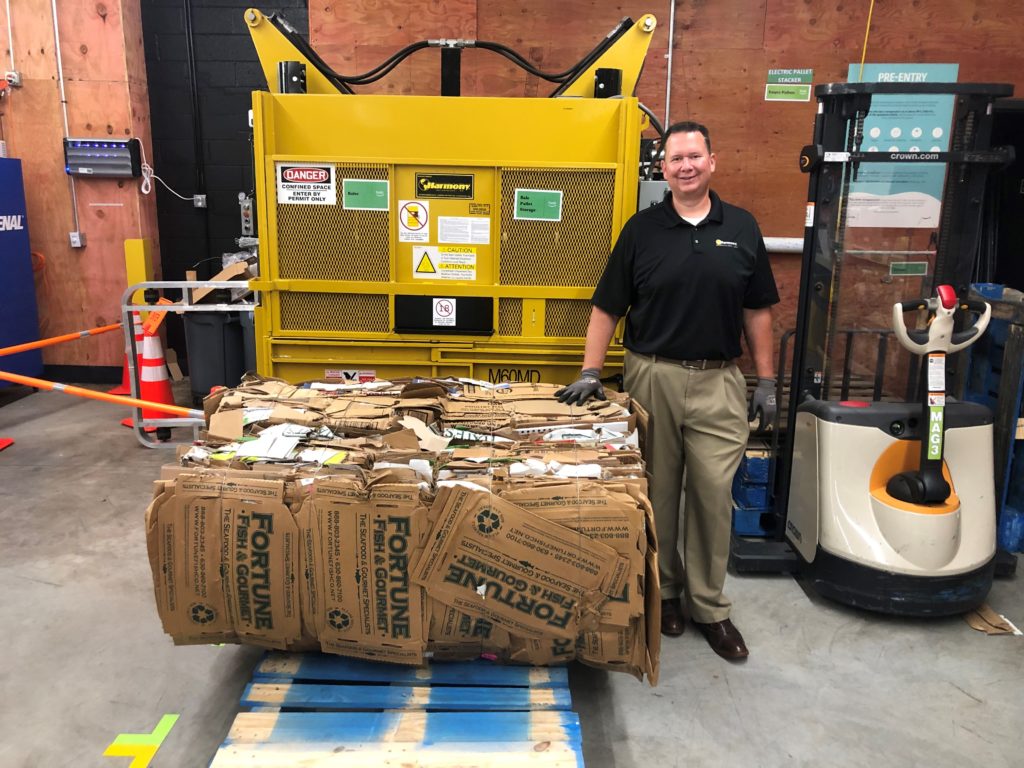 At Harmony, we work with operations to evaluate current practices, establish realistic bale weight targets, and identify where process improvements can unlock measurable gains. In many cases, improving performance does not require new equipment but rather a more intentional approach to how that equipment is used every day.
Consistency is where value is created, and when it is built into the process, the results tend to follow quickly. Call us at (507) 886-6666 or fill out this simple form to contact us today!