Industrial Compactors as Critical Infrastructure for Modern Facilities
For decades, industrial compactors were viewed primarily as waste handling equipment. Today, that perception has changed. Industrial compactors have become a core piece of business infrastructure that directly impacts operating costs, labor efficiency, safety, regulatory compliance, risk exposure, and long term facility performance.
In manufacturing, distribution, food processing, recycling, and logistics, loose waste is no longer just an inconvenience. It is a liability. Rising hauling costs, tighter OSHA enforcement, fire code scrutiny, labor shortages, and corporate ESG requirements have turned compaction into a mission critical system rather than a support function.
Industrial compactors now sit at the intersection of operational stability and regulatory protection.
The True Cost of Loose Waste in Industrial Facilities
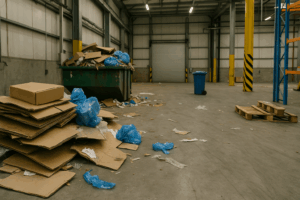 When waste is handled manually or stored loosely in open dumpsters, the hidden costs multiply rapidly. Labor time increases as employees shuttle waste across facilities. Dock congestion slows throughput. Overflow violations trigger additional hauls. Pests, odors, and slip hazards create constant risk exposure. Fire load accumulates silently until an incident forces enforcement action.
These costs rarely appear on a single invoice, but over time they erode productivity, inflate insurance exposure, strain labor resources, and introduce avoidable compliance risk.
Industrial compactors eliminate these inefficiencies by consolidating and controlling waste at its point of generation. Instead of being scattered across a facility, waste is centralized into a closed, controlled, engineered system that compresses volume, stabilizes workflows, and protects the physical environment.
Why Industrial Compactors Are Now a Core Business Infrastructure Asset
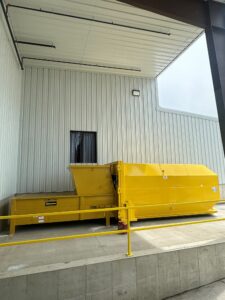 Modern operations depend on predictable systems. Power, HVAC, material handling, inventory management, and now waste compaction all function as foundational infrastructure that keeps facilities operating without disruption.
Industrial compactors protect margin by stabilizing hauling costs through consistent compaction ratios. They protect labor by reducing unnecessary handling and transport. They protect production flow by removing waste bottlenecks from docks and processing areas. They protect assets by minimizing corrosion, pest damage, and environmental exposure caused by unmanaged waste.
Most importantly, they protect the business itself by lowering operational volatility. When waste handling is controlled, predictable, and automated, facilities become more resilient to labor shortages, fuel price swings, hauler availability issues, and regulatory inspections.
Industrial Compactors and Regulatory Compliance
In today’s industrial environment, compliance is no longer limited to passing an occasional inspection. Facilities are being evaluated continuously across OSHA standards, fire codes, environmental regulations, and internal corporate safety programs.
Uncontrolled waste introduces exposure across all of these areas. Open waste piles create trip hazards. Excess cardboard and plastic increase fire load. Wet waste generates slip risks and bacterial growth. Overflow dumpsters trigger local ordinance violations. Improper containment creates odor complaints and pest infestations.
Industrial compactors directly address these risks by enclosing waste, eliminating floor accumulation, and removing overflow conditions. Interlocked doors, emergency stops, quality electrical systems, and documented lockout tagout procedures provide layers of engineered safety that manual waste handling simply cannot match.
From a fire protection standpoint, compacted waste reduces exposed combustible material and helps facilities stay aligned with fire marshal requirements. From an environmental standpoint, controlled waste containment prevents leakage, runoff, and contamination. From an OSHA standpoint, controlled compaction removes many of the most common workplace hazards tied to waste handling.
The Risk of Under Engineered or Misapplied Compaction Systems
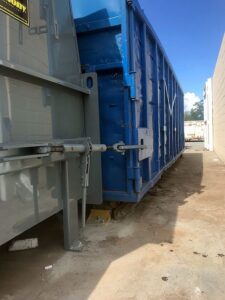 Not all industrial compactors are created equal. Facilities that select light duty systems for heavy industrial environments often experience early structural fatigue, hydraulic failures, electrical issues, and premature downtime. When a compactor becomes unreliable, waste handling chaos returns immediately.
An undersized or misapplied compactor does not just fail mechanically. It reintroduces compliance exposure, increases labor strain, inflates haul costs, and disrupts production flow. Over time, the perceived savings from lower upfront pricing are erased by service costs, safety incidents, and operational inefficiencies.
Industrial compactors must be engineered as long life infrastructure assets, not short term equipment purchases.
How Industrial Compactors Support Highly Regulated Industries
Industrial compactors play different but equally critical roles across industries that face strict operating requirements.
In food processing and cold storage operations, compactors must manage wet waste while preventing leakage and odor migration. In manufacturing environments, compactors must withstand continuous duty cycles while processing dense scrap materials. In distribution and fulfillment centers, compactors must manage massive packaging volumes without disrupting dock traffic. In recycling operations, compactors must sustain high throughput without degrading recyclable material quality.
Each of these environments carries unique regulatory pressures that demand engineered compaction solutions rather than generic equipment.
Long Term Cost Control Through Industrial Compaction
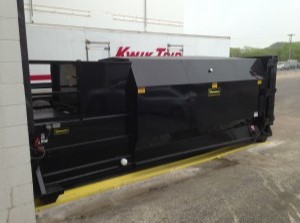 Industrial compactors stabilize long term operating expenses by reducing hauling frequency, minimizing overflow surcharges, lowering labor costs tied to waste handling, and decreasing maintenance requirements caused by unmanaged waste accumulation.
Instead of responding reactively to waste emergencies, facilities gain controlled, predictable waste management that can be planned, budgeted, and optimized over time.
This is why many organizations now view industrial compactors as a long term capital infrastructure investment rather than a simple equipment purchase.
Industrial Compactors as a Strategic Risk Management Tool
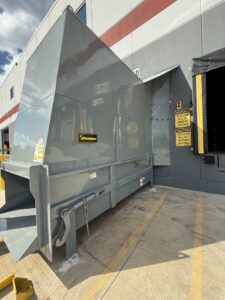 Industrial compactors protect more than operational efficiency. They protect employee safety, regulatory standing, corporate reputation, insurance exposure, and long term asset integrity.
By controlling waste at the source, facilities dramatically reduce their exposure to workplace injuries, regulatory penalties, environmental incidents, and fire related losses. In this way, industrial compactors function as both an operational system and a strategic risk management asset.
Is Your Facility Using Industrial Compactors as Infrastructure or as Equipment?
If your facility is still managing waste reactively through loose handling, overflowing dumpsters, and unpredictable hauling schedules, your operation is carrying unnecessary risk and avoidable cost.
Industrial compactors provide controlled, compliant, long term waste stabilization that supports modern operational, safety, and sustainability standards.
If you would like to understand how an engineered industrial compactor system can stabilize costs, improve compliance, and strengthen operational resilience at your facility, Harmony can evaluate your waste stream, throughput demands, regulatory environment, and site layout to design the ideal long term compaction solution. Call us today at (507) 886-6666 or contact us through this simple form today!